Whole House Air Purifier Cost: Installation & ROI Analysis
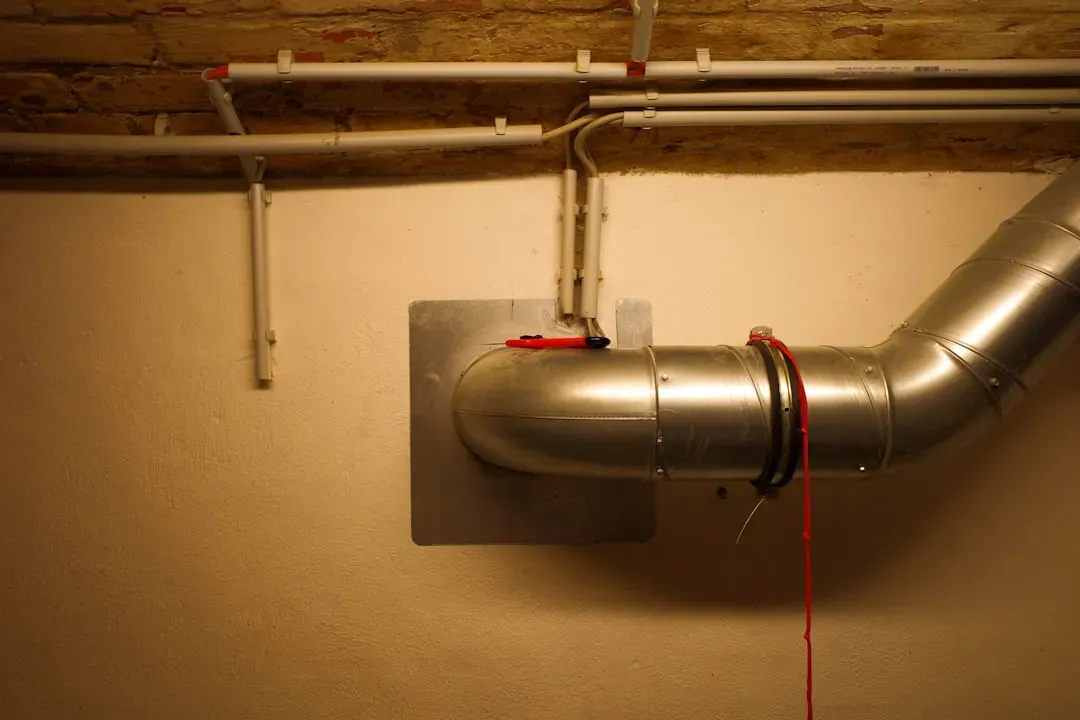
A whole-house air purifier typically costs between $600 and $12,000, with most homeowners spending around $2,000 for equipment and installation combined (according to Angi). (Source: Angi) The wide price range reflects system type, basic media filters start at $500 while premium HEPA systems reach $6,000, plus installation complexity, which adds $100 to $1,500 depending on your existing HVAC setup. Your total cost of ownership over 10 years includes annual filter replacements ($50-600), increased energy consumption from extended fan runtime, and occasional professional maintenance, making the real investment 40-60% higher than the sticker price.
Table of Contents
- Understanding Whole House Air Purifier Costs: What You're Really Paying For
- Equipment Costs by Purifier Type
- Installation Labor and Additional Expenses
- Hidden Costs and Ongoing Maintenance
- Calculating Your Return on Investment: Beyond the Price Tag
- Health Benefits and Medical Cost Savings
- HVAC Efficiency and Energy Savings
- Whole-House Systems vs. Portable Purifiers: A Cost Comparison
- Breaking Down the Numbers by Home Size
- When Portable Units Make More Sense
- Installation Variables That Impact Your Final Cost
- HVAC System Compatibility and Age
- Ductwork Condition and Accessibility
- Red Flags in Installation Quotes
- Making the Investment Decision: Is a Whole House Air Purifier Right for You?
Understanding Whole House Air Purifier Costs: What You're Really Paying For
The equipment itself represents just 60-80% of your upfront investment. Installation labor, ductwork modifications, electrical work for UV systems, and permits where required make up the remainder. This explains why two neighbors might pay vastly different amounts for seemingly similar systems, the condition and compatibility of your existing HVAC determines how straightforward the installation becomes.
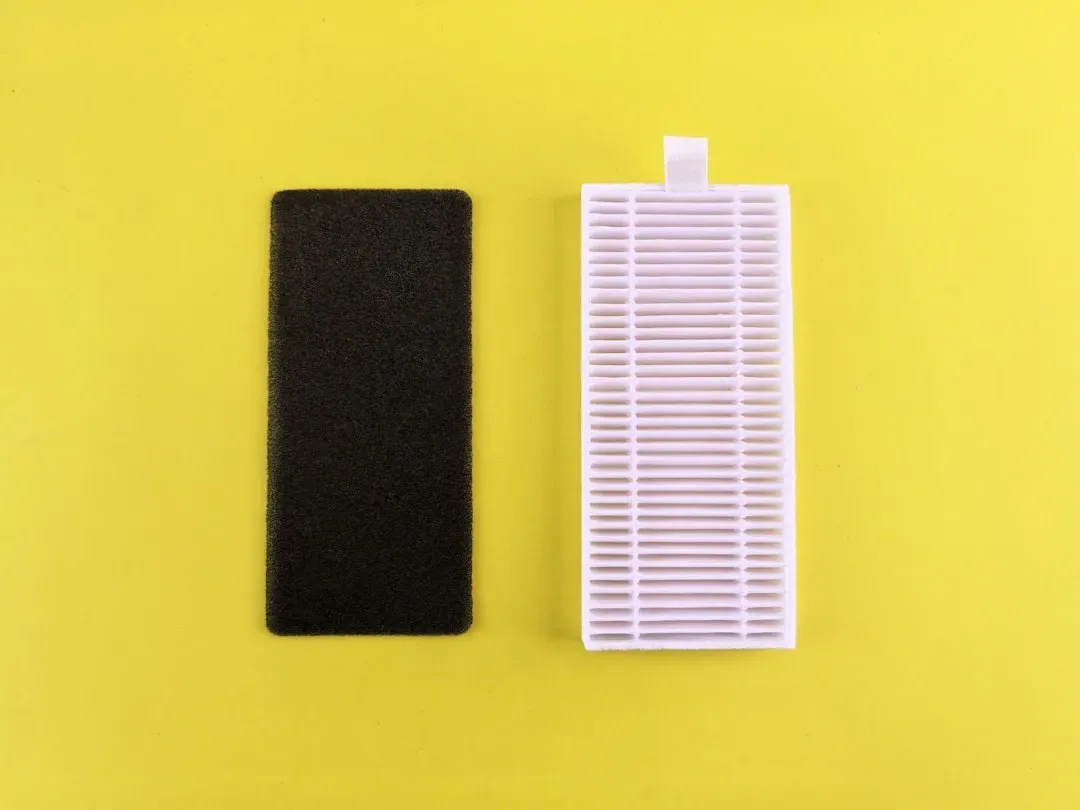
Think of whole-house air purifiers as permanent additions to your HVAC system rather than appliances you simply plug in. They integrate directly into your ductwork to treat air before it circulates through your home, which means professional installation isn't optional for most systems.
Equipment Costs by Purifier Type
Media filters ($500-$1,200) use dense pleated material to trap particles down to 3-10 microns, effective for dust, pollen, and pet dander but less capable with smoke or bacteria. These represent the most affordable entry point and work well for general air quality improvement without specific health concerns.
HEPA systems ($1,000-$2,500) capture 99.97% of particles at 0.3 micrometers, including fine smoke, mold spores, and bacteria (according to EPA). They require significant airflow capacity, so older HVAC systems sometimes need blower upgrades to prevent strain. These make sense for households managing asthma, severe allergies, or immune system vulnerabilities.
UV purifiers ($700-$1,800) use ultraviolet light to neutralize airborne pathogens, mold, and bacteria rather than filtering particles. They excel at biological contaminants but don't remove dust or allergens, which is why many homeowners pair them with media filters. Installation requires electrical work since UV lamps need dedicated power, adding $150-500 to labor costs.
Electronic/ionizer systems ($600-$2,000) charge particles electrically so they stick to collection plates or home surfaces. They operate quietly and need minimal airflow but require monthly cleaning of collection plates. Research suggests these work best as supplementary systems rather than primary filtration.
Hybrid systems ($2,000-$6,000+) combine multiple technologies, typically HEPA filtration plus UV sterilization, sometimes with activated carbon for VOCs (volatile organic compounds, gases from paint, cleaning products, and building materials). They address the widest range of contaminants but represent the highest upfront investment.
Installation Labor and Additional Expenses
Professional installation runs $200-$1,500 depending on system complexity and your HVAC accessibility. A straightforward media filter installation in a newer home with accessible ductwork hits the lower end. HEPA systems requiring return duct modifications or blower upgrades reach the upper range.
Permit fees ($50-$200) apply in some municipalities for electrical work or significant HVAC modifications, though simple filter installations rarely trigger permit requirements. Your installer should know local regulations, but it's worth confirming before you receive the final quote.
Ductwork modifications ($300-$2,000) become necessary when installing HEPA systems in homes with undersized return ducts or when adding bypass loops for high-resistance filters. Older homes built before modern air quality standards often need the most extensive modifications.
DIY installation works for some media filter systems with straightforward mounting brackets, potentially saving $200-400 in labor. However, systems requiring duct cutting, electrical connections, or HVAC recalibration need professional expertise to avoid damaging your heating and cooling equipment or voiding warranties.
Hidden Costs and Ongoing Maintenance
Annual filter replacement costs vary dramatically by system type. Basic media filters run $50-150 per year, HEPA filters cost $100-400 annually, and activated carbon filters add another $80-200 if your system includes VOC removal. UV bulbs need replacement every 12-18 months at $50-150 per bulb. (Source: ASHRAE Guidelines for HVAC Maintenance)
Energy consumption increases 10-30% for HVAC fan runtime because air purification requires continuous or extended circulation (according to Department of Energy guidance on high-efficiency filters). (Source: Department of Energy) For a typical home, this adds $8-25 monthly to electricity bills, or roughly $100-300 annually.
Professional maintenance ($100-200 per year) includes system inspection, cleaning of UV lamps or electronic collectors, and airflow testing to ensure your HVAC isn't straining against filter resistance. Well, most homeowners skip this and handle filter changes themselves, but annual professional checkups extend equipment life.
Over 10 years, a $2,000 whole-house system with $200 annual filter costs and $150 yearly energy increases accumulates to $5,500 total cost of ownership. This 10-year projection helps compare against portable alternatives more accurately than sticker price alone.
Calculating Your Return on Investment: Beyond the Price Tag
ROI for air purification isn't purely financial, you're investing in health outcomes, comfort, and time savings that don't appear on a spreadsheet. However, quantifying the tangible benefits helps justify the expense, especially when comparing whole-house systems to portable units or doing nothing.

10-Year Total Cost of Ownership: Initial Investment Plus Ongoing Expenses
| Cost Category | Annual Cost Range | 10-Year Total | Notes |
|---|---|---|---|
| Equipment + Installation | One-time | $600–$12,000 | Most homeowners spend ~$2,000 combined |
| Filter Replacements | $50–$600/year | $500–$6,000 | Varies by system type; HEPA filters most expensive |
| UV Bulb Replacement | $0–$150/year | $0–$1,500 | Needed every 12–18 months if UV system included |
| Increased Energy Consumption | $100–$300/year | $1,000–$3,000 | 10–30% higher HVAC fan runtime |
| Professional Maintenance | $100–$200/year | $1,000–$2,000 | Annual inspection and cleaning |
| TOTAL 10-YEAR COST | — | $3,100–$24,500 | Real investment 40–60% higher than sticker price |
To understand the total investment required, examining the specific equipment costs and performance specifications for each air purifier type is essential.
Whole House Air Purifier Equipment Costs and Specifications by Type
| Purifier Type | Equipment Cost Range | Particle Capture Capability | Best For | Additional Installation Costs |
|---|---|---|---|---|
| Media Filters | $500–$1,200 | Particles down to 3–10 microns | General air quality, dust, pollen, pet dander | $200–$600 labor |
| HEPA Systems | $1,000–$2,500 | 99.97% of particles at 0.3 micrometers | Asthma, severe allergies, immune vulnerabilities | $400–$1,500 labor + potential blower upgrades |
| UV Purifiers | $700–$1,800 | Airborne pathogens, mold, bacteria (no particle removal) | Biological contaminants | $150–$500 electrical work |
| Electronic/Ionizer Systems | $600–$2,000 | Particles via electrical charging | Supplementary filtration, quiet operation | $200–$600 labor |
| Hybrid Systems | $2,000–$6,000+ | Multiple technologies: HEPA + UV + activated carbon | Widest range of contaminants (particles + pathogens + VOCs) | $400–$1,500 labor + potential modifications |
Your personal breakeven timeline depends on household composition and existing health conditions. A family managing multiple allergy sufferers or asthma might recoup costs through medical savings within 3-5 years, while a healthy household in a low-pollution area sees returns primarily through HVAC longevity and reduced cleaning effort over 8-10 years.
Health Benefits and Medical Cost Savings
Households with asthma or allergies typically spend $500-2,000 annually on medications, specialist visits, and emergency interventions when symptoms flare. Research suggests improved indoor air quality reduces symptom frequency by 30-60%, translating to $300-1,200 in annual medical cost savings for affected individuals.
Better sleep quality from cleaner air, particularly reduced nighttime congestion and coughing, has documented productivity benefits, though these prove harder to quantify in dollar terms. Parents of young children often report fewer sick days and reduced respiratory infections when PM2.5 (particulate matter 2.5 micrometers or smaller) stays below 12 μg/m³.
Seniors with compromised respiratory systems see measurable health improvements from consistent air filtration. Studies on indoor air quality impact show reduced hospital admissions and slower progression of chronic respiratory conditions when particulate exposure decreases.
Realistic annual savings range from $300 for mild seasonal allergies to $1,500 for households managing severe asthma across multiple family members.
HVAC Efficiency and Energy Savings
Cleaner air reduces strain on your heating and cooling equipment by preventing dust accumulation on coils, blowers, and heat exchangers. HVAC systems operating with whole-house filtration typically last 2-5 years longer than those without, delaying a $4,000-8,000 replacement expense.
Professional HVAC maintenance frequency can drop from twice yearly to annual service when filtration prevents debris buildup, saving $100-150 per skipped service call. Your system also maintains efficiency longer, potentially reducing heating and cooling costs by 5-10% through improved heat transfer.
However, these savings partly offset against increased fan runtime costs. The net annual benefit usually lands between $50-200 for most homes, modest but accumulating to $500-2,000 over a 10-year period.
Whole-House Systems vs. Portable Purifiers: A Cost Comparison
The portable-versus-whole-house decision hinges on your home size, coverage needs, and how much you value convenience over flexibility. Portable units offer lower upfront costs and room-by-room targeting, while whole-house systems provide seamless coverage and lower maintenance burden.
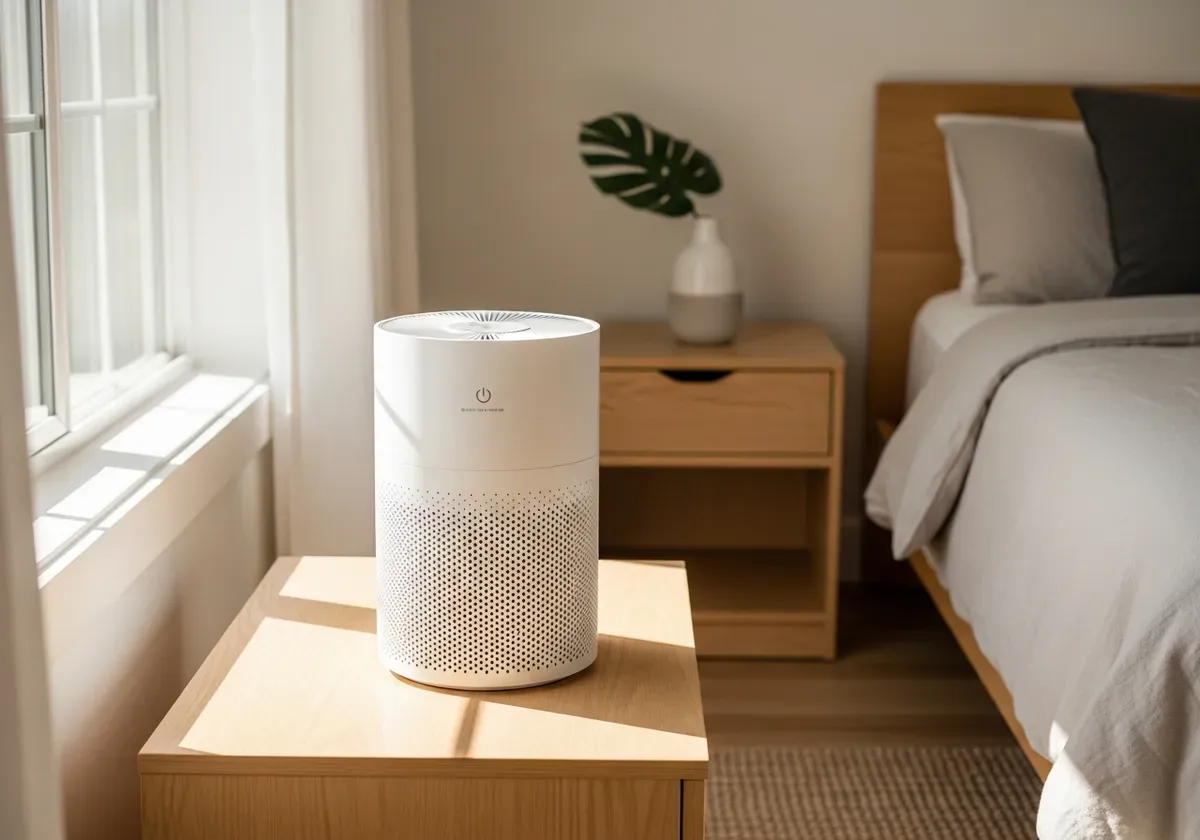
Many homeowners assume portables always cost less, but the math shifts when you need multiple units for adequate coverage. A 2,500 square foot home requires 3-4 quality portable purifiers to match whole-house system coverage, changing the cost equation significantly.
Breaking Down the Numbers by Home Size
For a 1,500 square foot home, two quality portable units ($400-800 total) with $60-120 annual filter costs compete against a $1,800 whole-house media filter system with $100 yearly filters. Over 5 years, portables cost $1,100-1,400 while whole-house totals $2,300. Portables win financially here, especially for renters.
A 2,500 square foot home needs three to four portables ($600-1,600 total) with $90-200 annual filters, reaching $1,050-2,600 over 5 years. A whole-house system at $2,500 installed with $150 annual filters costs $3,250 over the same period. The gap narrows considerably, and whole-house pulls ahead on convenience.
For 3,500 square feet, you're looking at five portables ($1,000-2,000) with $150-300 yearly filter costs, totaling $1,750-3,500 over 5 years. Whole-house systems ($3,000-4,000 installed, $200 annual filters) reach $4,000-5,000 but provide superior coverage. Over 10 years, whole-house becomes cost-competitive while delivering consistent air quality throughout your space.
When Portable Units Make More Sense
Renters should default to portable units since you can't modify the HVAC system and you'll take the purifiers when you move. The investment follows you to your next home rather than staying with the property.
Homes without forced-air systems, those with radiators, baseboard heat, or ductless mini-splits, can't accommodate whole-house purifiers at all. Portables become your only option for mechanical air cleaning beyond opening windows.
Limited budgets under $1,000 get better immediate results from one or two quality portables in primary living spaces than from no air cleaning while saving for a whole-house system.
Installation Variables That Impact Your Final Cost
Two identical air purifier models can have dramatically different installation costs depending on your home's specific characteristics. Understanding these variables helps you anticipate your actual expense and evaluate quotes from contractors accurately.
HVAC System Compatibility and Age
Newer HVAC systems (less than 10 years old) typically accommodate whole-house purifiers with minimal modification. They have adequate blower capacity for increased airflow resistance and accessible ductwork with mounting points designed for add-on equipment.
Systems older than 15 years might need blower motor upgrades ($400-800) to handle HEPA filter resistance without overworking and failing prematurely. Undersized return ducts common in homes built before 1990 sometimes require enlargement ($500-1,500) to maintain proper airflow.
Heat pumps and high-efficiency furnaces with variable-speed blowers integrate most easily with air purifiers, while older single-speed systems require more careful sizing to avoid airflow problems.
Ductwork Condition and Accessibility
Accessible ductwork in basements or attics keeps labor costs down, installers can work efficiently without navigating tight crawl spaces or cutting access panels through finished ceilings. Difficult access adds $200-500 to installation time.
Leaky ductwork (common in homes over 20 years old) should be sealed before adding air purification, otherwise you're cleaning air that immediately escapes through gaps. Duct sealing runs $400-1,000 but improves overall HVAC efficiency beyond just air quality benefits.
Red Flags in Installation Quotes
Quotes significantly below market rate (30%+ cheaper than competitors) suggest either inexperienced installers or plans to cut corners on materials and labor. Air purifier installation requires HVAC expertise, general handymen shouldn't attempt it.
Pressure to install oversized systems "for better air quality" indicates sales tactics rather than proper system sizing. Purifiers should match your HVAC capacity and home size, not exceed them arbitrarily.
Missing warranty information or reluctance to provide manufacturer documentation means you might struggle with future service needs. Reputable installations include equipment warranties (5-10 years typical) and workmanship guarantees (1-2 years minimum).
Making the Investment Decision: Is a Whole House Air Purifier Right for You?
The decision ultimately balances your specific air quality concerns, household health needs, budget constraints, and long-term housing plans. Whole-house systems make most sense for homeowners planning to stay put for 5+ years with documented indoor air quality issues or family members managing respiratory conditions.
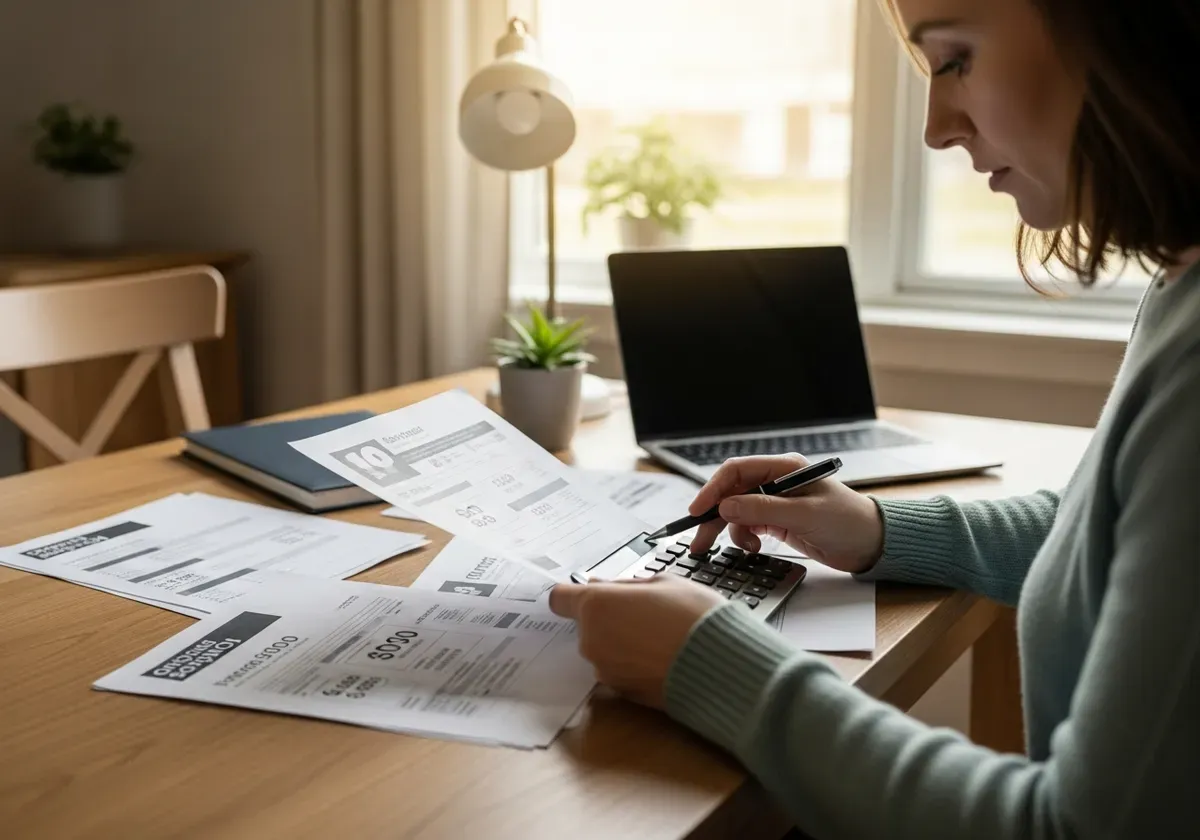
Start by testing your current indoor air quality with a PM2.5 monitor ($30-150) to establish baseline measurements. If you're consistently above 12 μg/m³, air purification delivers measurable improvement. Below that threshold, you might be solving a problem you don't actually have.
Consider your home's characteristics honestly. Forced-air HVAC that's less than 15 years old, accessible ductwork, and adequate electrical capacity make installation straightforward. Older systems, difficult access, or needed modifications push costs higher and might tip the equation toward portable units.
Factor in your household composition and health status. Families with young children, elderly members, or anyone managing asthma or allergies see the clearest benefits and fastest ROI through reduced medical expenses and improved daily comfort.
Look, if you're renting, have a home under 1,500 square feet, or face budget constraints under $1,500, quality portable units deliver better value. You can always upgrade to whole-house later if your situation changes.
For homeowners with 2,000+ square feet, documented air quality concerns, and plans to stay in your home for the foreseeable future, whole-house systems provide superior convenience and coverage that justifies the investment premium over time.
I wrestled with this decision for months in my 2,400-square-foot home after my daughter's asthma diagnosis. Running three portable purifiers meant constantly moving them between rooms, replacing filters on different schedules, and still wondering if the upstairs bedrooms were getting adequate coverage. When I finally installed a whole-house system, the relief of knowing every room maintained consistent air quality—without the mental load of managing multiple units—made the higher upfront cost feel like money well spent for our specific situation.
Schedule consultations with at least three HVAC contractors who specialize in indoor air quality, not just heating and cooling. The best installers assess your specific needs, test current air quality, and recommend appropriately sized systems rather than pushing the most expensive option.
Start improving your indoor air quality today by addressing the basics: regular HVAC filter changes, controlling humidity between 30-50%, eliminating indoor pollution sources, and ensuring adequate ventilation. These free or low-cost steps provide immediate benefits while you evaluate whether whole-house purification makes sense for your situation.
Related Articles
- Best Air Purifiers for Home: 2024 Expert Reviews & Buyer's Guide
- 9 Science-Backed Air Purifier Benefits for Your Health & Home
- Professional Air Quality Testing Near Me: What to Expect & Cost
- Home Air Quality Monitoring System: Complete Setup Guide
- Best Air Purifier Brands 2024: Reliability & Performance Ranked
- Indoor Air Quality Testing: Complete Guide to Testing Your Home
Frequently Asked Questions
What's the difference between the initial cost and the total cost of ownership for a whole-house air purifier?
The initial cost includes equipment and installation ($600-$12,000), but total cost of ownership over 10 years is 40-60% higher when you factor in annual filter replacements ($50-600/year), increased energy consumption, and professional maintenance. This means a $2,000 system actually costs $2,800-$3,200 annually to operate and maintain.
Which type of whole-house air purifier is most affordable?
Media filters are the most budget-friendly option at $500-$1,200 and are effective for dust, pollen, and pet dander. However, they're less effective against smoke and bacteria, so choose this type only if you don't have specific health concerns like asthma or severe allergies.
Do I need professional installation, or can I install a whole-house air purifier myself?
Professional installation is strongly recommended for most systems since they integrate directly into your ductwork. Some basic media filter systems may allow DIY installation, but HEPA, UV, and hybrid systems require professional expertise to ensure proper ductwork integration and electrical work.
Why do installation costs vary so much between homes?
Installation costs depend heavily on your existing HVAC system's age, condition, and compatibility. Newer homes with accessible ductwork might pay $200-400, while older homes requiring ductwork modifications, blower upgrades, or electrical work can reach $1,500 or more.
Is a HEPA system worth the extra cost compared to a media filter?
HEPA systems ($1,000-$2,500) capture 99.97% of particles including fine smoke, mold spores, and bacteria, making them worthwhile if you have asthma, severe allergies, or immune vulnerabilities. Media filters are sufficient for general air quality improvement without specific health concerns.
What are hidden costs I should budget for beyond the initial installation?
Beyond equipment and installation, budget for annual filter replacements ($50-600 depending on system type), increased energy bills from extended fan runtime, occasional professional maintenance, and potential permit fees ($50-$200) for electrical or HVAC modifications.
Should I choose a whole-house system or portable air purifiers instead?
Whole-house systems treat all air circulating through your home and integrate with existing HVAC, while portable units are cheaper upfront but only clean individual rooms. Choose whole-house if you want comprehensive coverage and have budget for installation; portable units make more sense for renters or specific room needs.