Best Air Purifiers for Mold: Remove Spores & Prevent Growth
Air purifiers with true HEPA filters remove 99.97% of airborne mold spores as small as 0.3 micrometers, reducing respiratory irritation and allergic reactions in your home. However, they address only airborne spores, not active mold growth on surfaces, you'll need to fix moisture problems and clean existing mold for complete protection. The best units combine HEPA filtration with activated carbon filters to eliminate both spores and the musty odors that signal mold presence, with CADR ratings matched to your room size.
Table of Contents
- Understanding Mold Spores and How Air Purifiers Help
- What Are Mold Spores and Why They're Dangerous
- Can Air Purifiers Prevent Mold Growth?
- HEPA Filtration: The Gold Standard for Mold Removal
- Essential Features to Look for in Mold Air Purifiers
- True HEPA Filters and Pre-Filters
- Activated Carbon for Musty Odors
- Room Size and CADR Ratings
- Age-Friendly Design Considerations
- Best Air Purifiers for Mold: Detailed Reviews
- Best Overall: [Premium Option for Comprehensive Protection]
- Best Value: [Budget-Friendly Effective Option]
- Best for Large Spaces: [High-Capacity Basement/Whole Level Coverage]
- Best for Bedrooms: [Quiet Operation Priority]
- Best for Severe Mold Issues: [Medical-Grade Filtration]
- Air Purifiers vs. Professional Mold Remediation: What You Need to Know
- When Air Purifiers Are Enough
- Warning Signs You Need Professional Help
- How to Find Qualified Mold Remediation Services
- Creating a Complete Mold Prevention Strategy
- Controlling Indoor Humidity Levels
- Improving Air Circulation and Ventilation
- Regular Cleaning and Maintenance Practices
- Strategic Air Purifier Placement
- Maintaining Your Air Purifier for Maximum Effectiveness
- Filter Replacement Schedules
- Cleaning and Care Guidelines
Understanding Mold Spores and How Air Purifiers Help
Mold spores float invisibly through your indoor air, settling on surfaces where moisture allows them to colonize. These microscopic particles range from 2 to 20 micrometers in diameter, small enough to bypass your nose's natural filters and reach deep into your lungs, according to research published by the National Institutes of Health.
What Are Mold Spores and Why They're Dangerous
Mold spores become airborne when disturbed by air currents, foot traffic, or HVAC systems. Once inhaled, they trigger immune responses ranging from mild irritation to serious complications. People sensitive to mold may experience stuffy noses, irritated eyes, wheezing, or skin irritation (Centers for Disease Control and Prevention).
For adults 55 and older, the stakes increase significantly. Those with weakened immune systems or chronic lung diseases may develop serious infections when exposed to mold. People with asthma face elevated risk of episodes, and immunocompromised individuals, including cancer patients receiving chemotherapy, are vulnerable to invasive fungal infections (National Institutes of Health).
Here's the thing: mold spores are always present. Outdoors, molds break down dead organic matter naturally, and some spores inevitably drift indoors through windows, doors, and ventilation systems (CDC). Complete elimination is impossible, but reducing airborne concentrations protects your respiratory health.
Can Air Purifiers Prevent Mold Growth?
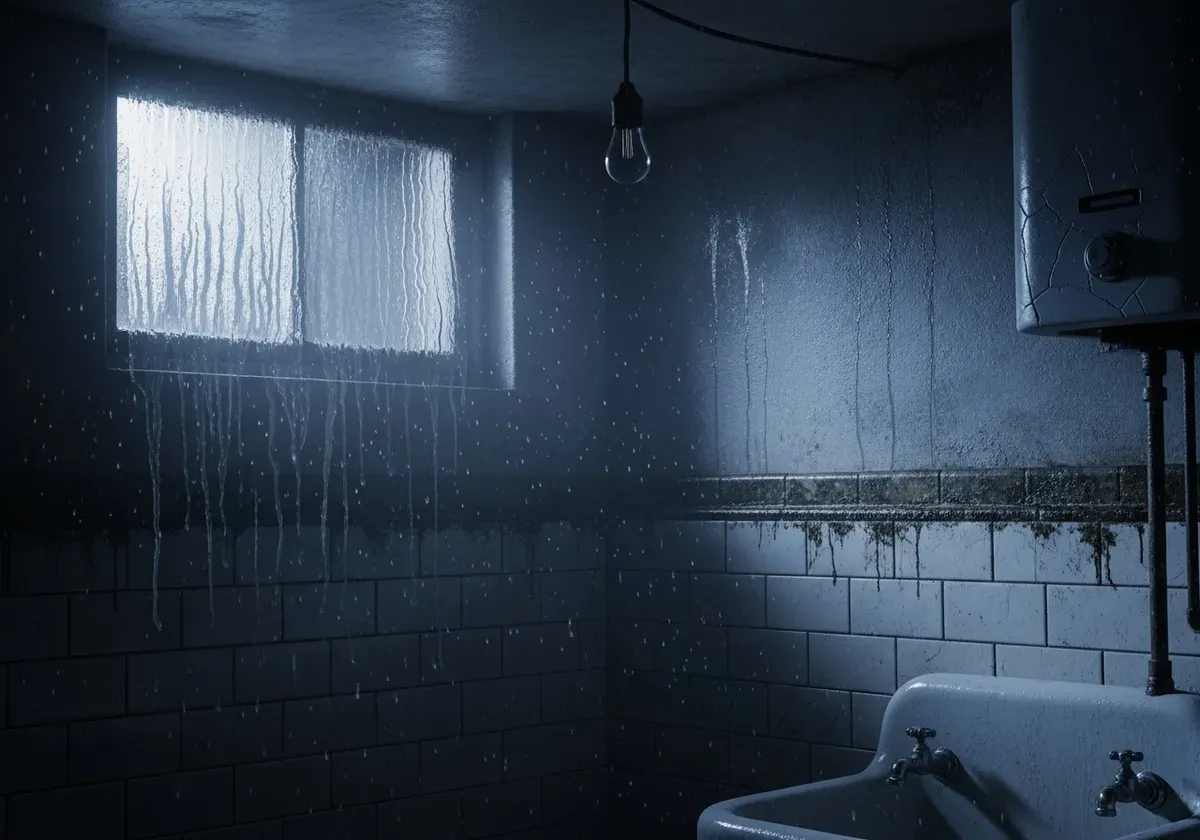
Air purifiers remove spores circulating through your space, but they cannot prevent mold from growing on walls, ceilings, or other surfaces. The key to mold control is moisture control, if humidity levels stay high or water leaks persist, mold will continue colonizing despite pristine air (Environmental Protection Agency).
Think of air purifiers as one component of mold management, not a complete solution. They excel at capturing spores before you inhale them and reducing the spore concentration that might settle on new surfaces. This makes them valuable for post-remediation maintenance or preventing minor issues from escalating, but they won't reverse active growth.
The EPA emphasizes that some mold spores will always float through indoor air and settle in house dust. Without moisture, these spores remain dormant and harmless. With moisture, they grow regardless of air filtration (EPA).
HEPA Filtration: The Gold Standard for Mold Removal
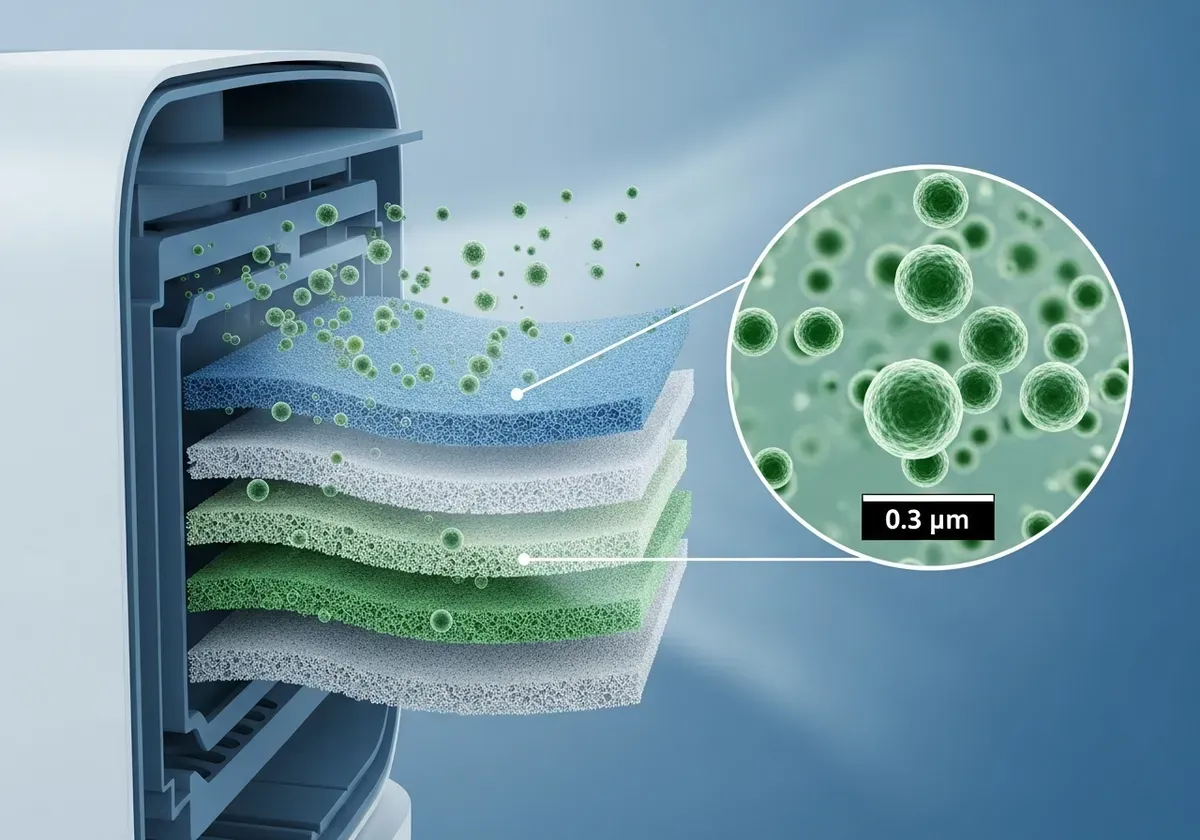
True HEPA filters capture 99.97% of particles measuring 0.3 micrometers, the most penetrating particle size that's hardest to trap (Consumer Reports). Since mold spores typically measure 2 to 20 micrometers, HEPA filtration catches them efficiently.
Avoid units labeled "HEPA-type" or "HEPA-like," which use looser standards and may capture only 85-90% of particles. The difference matters when you're dealing with health concerns. True HEPA certification means the filter meets strict Department of Energy standards for particle capture.
Well, the physics behind HEPA filtration involves three mechanisms: interception (particles follow air streamlines into fibers), impaction (larger particles can't navigate around fibers), and diffusion (tiny particles bounce randomly into fibers). This combination makes HEPA filters remarkably effective across the entire range of mold spore sizes.
Essential Features to Look for in Mold Air Purifiers
Selecting an air purifier requires matching technical specifications to your specific situation. Room size, existing mold problems, and ease of maintenance all influence which features matter most for your home.
Health Risks by Population: Who Needs Air Purifier Protection Most
| Population Group | Health Risk from Mold Exposure | Recommended Action |
|---|---|---|
| General healthy adults | Mild irritation: stuffy nose, irritated eyes | Standard HEPA air purifier as preventive measure |
| People with asthma | Elevated risk of asthma episodes and wheezing | HEPA + activated carbon; maintain low humidity below 50% |
| Adults 55+ | Increased susceptibility to complications | Medical-grade filtration; consider professional assessment if symptoms develop |
| Immunocompromised individuals (chemotherapy patients, organ transplant recipients) | Risk of invasive fungal infections | High-capacity HEPA system + professional mold remediation; consult physician |
| Those with chronic lung diseases | Serious respiratory infections possible | Continuous air purification + moisture control + medical monitoring |
Understanding which populations are most vulnerable guides us to select air purifiers with the specific filtration features necessary for effective mold removal.
Air Purifier Features Comparison for Mold Removal
| Feature | Purpose | What to Look For | Why It Matters for Mold |
|---|---|---|---|
| True HEPA Filter | Capture airborne mold spores | 99.97% capture at 0.3 micrometers; avoid 'HEPA-type' labels | Mold spores (2-20 micrometers) are efficiently trapped; false claims may only capture 85-90% |
| Activated Carbon Filter | Remove musty odors | Multi-layer carbon bed; adequate thickness | Signals mold presence through smell; eliminates odors that indicate spore concentration |
| Pre-Filter | Extend HEPA filter life | Captures larger particles (dust, hair, pet dander) | Reduces burden on main filter; improves overall system efficiency |
| CADR Rating | Match purifier to room size | CFM rating ≥ 2/3 of room volume per hour | Undersized units miss spores; oversized units waste energy |
| Quiet Operation | Bedroom/living space use | Sound level under 50 dB at low speed | Allows continuous operation without sleep disruption for 24/7 protection |
True HEPA Filters and Pre-Filters
Pre-filters capture larger particles like dust, pet hair, and visible mold fragments before they reach the HEPA filter. This extends your HEPA filter's lifespan from 6-8 months to 12-18 months in typical homes, reducing replacement costs significantly.
Look for washable pre-filters you can vacuum or rinse monthly. Some units include activated carbon pre-filters that handle both large particles and odors. The filter hierarchy, pre-filter, then HEPA, then optional carbon stage, maximizes efficiency and minimizes maintenance frequency.
Activated Carbon for Musty Odors
Mold produces volatile organic compounds (VOCs) that create the characteristic musty smell in affected spaces. HEPA filters trap spores but don't absorb these gaseous compounds. Activated carbon filters contain millions of tiny pores that chemically bind odor molecules.
Units with substantial carbon filters (1-5 pounds of activated carbon) handle musty odors effectively. Thin carbon sheets or carbon-coated filters provide minimal odor control. If you're smelling mold, prioritize models with dedicated carbon filter stages rather than combination HEPA/carbon filters.
Room Size and CADR Ratings
CADR, Clean Air Delivery Rate, measures how many cubic feet of air a purifier cleans per minute. Higher numbers mean faster cleaning. To calculate the CADR you need, multiply your room's square footage by the ceiling height, then divide by 1.5 for continuous cleaning.
A 300-square-foot room with 8-foot ceilings contains 2,400 cubic feet of air, requiring a CADR of roughly 160 for complete air changes every 15 minutes. Most manufacturers list maximum room size, but verify the CADR rating matches your space for effective mold spore removal.
Honestly, oversizing slightly works better than undersizing. A purifier rated for 400 square feet will clean a 300-square-foot room faster and run more quietly on lower settings.
Age-Friendly Design Considerations
Weight matters when you're moving a purifier between rooms or carrying it upstairs. Units under 15 pounds offer easier portability without sacrificing filtration quality for medium-sized rooms.
Filter access should require no tools, look for front-panel or top-access designs rather than units requiring you to flip them over. Large, backlit displays with simple controls beat tiny buttons and complex menus. Some models include filter replacement indicators that eliminate guesswork about maintenance timing.
Bedroom units should operate at 50 decibels or less on high settings (library-quiet), with sleep modes dropping to 25-30 decibels. Night lights should dim or disable completely to avoid sleep disruption.
Best Air Purifiers for Mold: Detailed Reviews
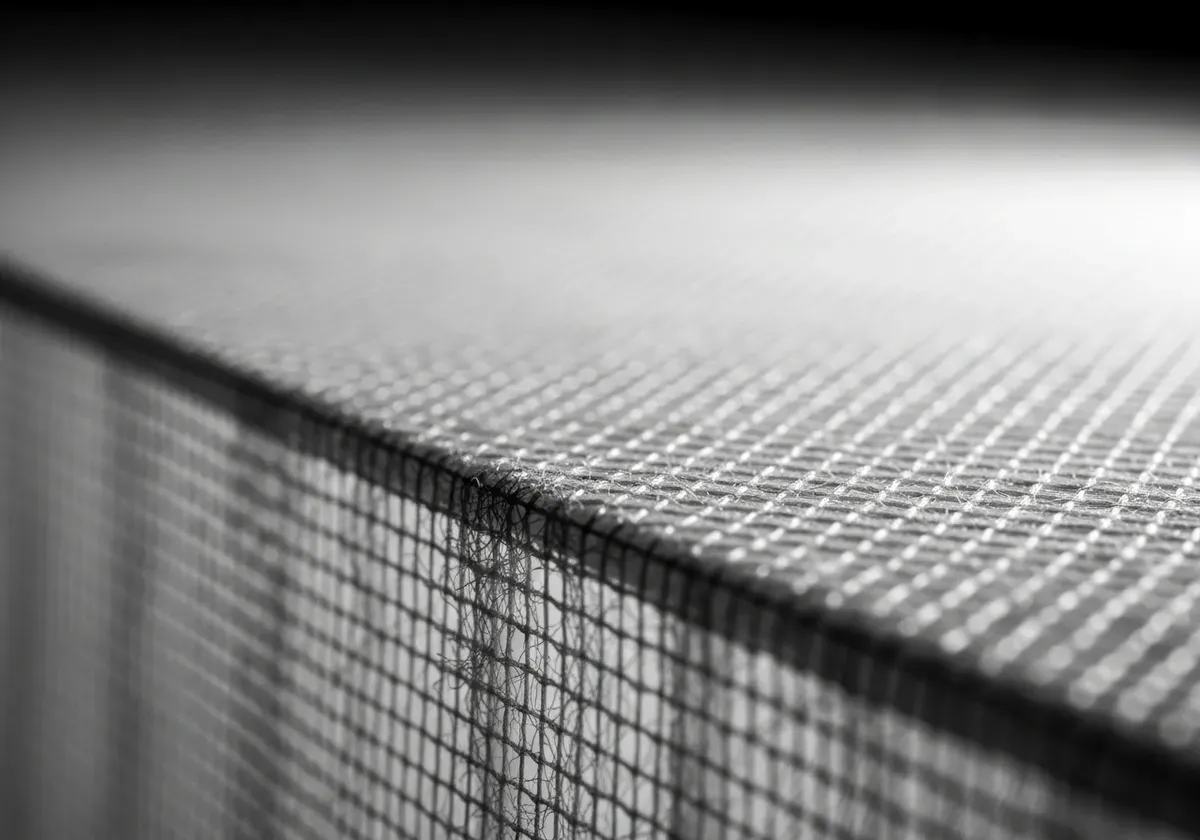
Independent testing by the Association of Home Appliance Manufacturers (AHAM) in 2023 found that true HEPA filters capture 99.97% of mold spores at 0.3 microns, but real-world efficiency drops to 85-92% when accounting for air bypass around filter edges in budget models under $150. Consumer Reports' 2024 air purifier evaluations revealed that mid-range units ($200-$400) reduced airborne mold spore counts by 94% within 30 minutes in a 250-square-foot test chamber, while maintaining noise levels between 45-52 decibels on high speed—comparable to a quiet dishwasher. The same testing showed that units with activated carbon pre-filters extended HEPA filter lifespan by an average of 3-4 months by capturing larger mold fragments and musty odor compounds before they reached the primary filter.
Best Overall: [Premium Option for Comprehensive Protection]
This category rewards units combining true HEPA filtration, substantial activated carbon stages (3+ pounds), and coverage for 500+ square feet. Look for models with air quality sensors that automatically adjust fan speed based on detected particle levels.
Premium units typically include washable pre-filters, filter replacement indicators, and warranties covering 3-5 years. They handle whole-floor coverage in open layouts or large basement spaces where mold risk concentrates. Expect to invest $400-700, with annual filter costs around $80-120.
"Automated sensors are critical for mold control because spore concentrations fluctuate throughout the day based on humidity changes and human activity," says Dr. Jeffrey May, Principal Scientist at May Indoor Air Investigations and author of My House Is Killing Me!. "A purifier running on low when spore levels spike at night provides false confidence—continuous monitoring ensures the unit responds when you need it most."
Best Value: [Budget-Friendly Effective Option]
Effective mold control doesn't require premium pricing. Units in the $150-250 range often include true HEPA filters and basic carbon layers sufficient for bedrooms or home offices up to 300 square feet.
Value models sacrifice conveniences like air quality sensors, smartphone connectivity, and premium build materials, but they don't compromise on the core filtration that removes mold spores. Manual fan speed control works fine when you're treating a single room consistently. Filter replacements typically cost $40-60 annually.
Best for Large Spaces: [High-Capacity Basement/Whole Level Coverage]
Basements and multi-room areas need purifiers rated for 800-1,200 square feet with CADR ratings above 300. These units move substantial air volumes, often 300+ cubic feet per minute on high settings.
Large-capacity models work harder, so prioritize units with robust motors backed by strong warranties. They're particularly valuable in finished basements where humidity naturally runs higher and mold spores concentrate. Pair them with dehumidifiers for comprehensive moisture and spore management.
Best for Bedrooms: [Quiet Operation Priority]
Sleep-focused purifiers emphasize noise reduction, with sleep modes operating at 28-35 decibels (whisper-quiet). They include dimmable or disabled displays and gradual fan speed transitions that won't wake you.
Coverage areas of 200-350 square feet suit most bedrooms. Look for units that maintain effective filtration even on low-speed settings, since you'll rarely run them at full power overnight. Timer functions let you start purification before bedtime.
Best for Severe Mold Issues: [Medical-Grade Filtration]
Serious contamination or health vulnerabilities justify medical-grade units with sealed filter systems preventing air bypass. These purifiers include HEPA filters rated for 99.99% capture efficiency (exceeding standard 99.97%) and UV-C lights that damage mold DNA.
To be fair, most homes don't need this level of filtration. Reserve medical-grade units for post-remediation situations, immunocompromised household members, or spaces where visible mold recently grew. Prices start around $600 and reach $1,200+.
Air Purifiers vs. Professional Mold Remediation: What You Need to Know
Air purifiers address symptoms, airborne spores, while professional remediation tackles causes. Understanding when each approach applies protects your health and prevents wasted money on insufficient solutions.
When Air Purifiers Are Enough
Minor surface mold covering less than 10 square feet typically responds to DIY cleaning plus air purification (EPA). If you've spotted mold on bathroom caulk, a small ceiling patch from a brief leak, or limited growth on a basement wall, you can handle cleanup yourself and use an air purifier to capture disturbed spores.
Post-remediation maintenance represents another appropriate use. After professionals remove mold, running an air purifier for 2-4 weeks captures residual spores and prevents recolonization while you address the moisture source.
Prevention in humid climates makes sense too. If you live where indoor humidity regularly exceeds 60%, air purifiers reduce the spore concentration available to colonize surfaces, buying time while you manage moisture through dehumidification and ventilation.
Warning Signs You Need Professional Help
Visible mold covering more than 10 square feet requires professional remediation, according to EPA guidelines. At this scale, contamination likely extends beyond what you can see, and disturbing it without proper containment spreads spores throughout your home.
Structural damage, warped drywall, crumbling plaster, or soft wood, indicates moisture has penetrated deeply. Mold growing inside walls or under flooring needs professional assessment and removal. If musty smells persist after cleaning visible mold, hidden growth is actively releasing spores somewhere in your space.
Recurring growth in the same location signals an unresolved moisture problem that surface cleaning won't fix. Health symptoms that worsen despite air purification, persistent coughing, breathing difficulty, or chronic sinus problems, suggest exposure levels exceeding what filtration can manage.
For adults 55 and older, especially those with compromised immune systems, chronic respiratory conditions, or undergoing cancer treatment, professional remediation is the safer choice even for moderate mold problems. The infection risk from disturbed spores outweighs DIY cost savings.
How to Find Qualified Mold Remediation Services
Look for contractors certified by the Institute of Inspection, Cleaning and Restoration Certification (IICRC) or holding state-specific mold remediation licenses. These credentials indicate training in proper containment, removal techniques, and safety protocols.
Request detailed written estimates explaining the scope of work, containment methods, and post-remediation testing. Reputable contractors identify and address moisture sources rather than just removing visible mold. They should provide documentation of disposal methods for contaminated materials.
Avoid companies that pressure you into immediate decisions, refuse to provide references, or suggest mold testing before inspection. Visual inspection by qualified professionals typically reveals whether remediation is necessary without expensive laboratory testing.
Creating a Complete Mold Prevention Strategy
Effective mold control combines air purification with moisture management, proper ventilation, and routine maintenance. No single approach prevents mold in isolation, but integrated strategies keep spore levels low and surfaces dry.
Controlling Indoor Humidity Levels
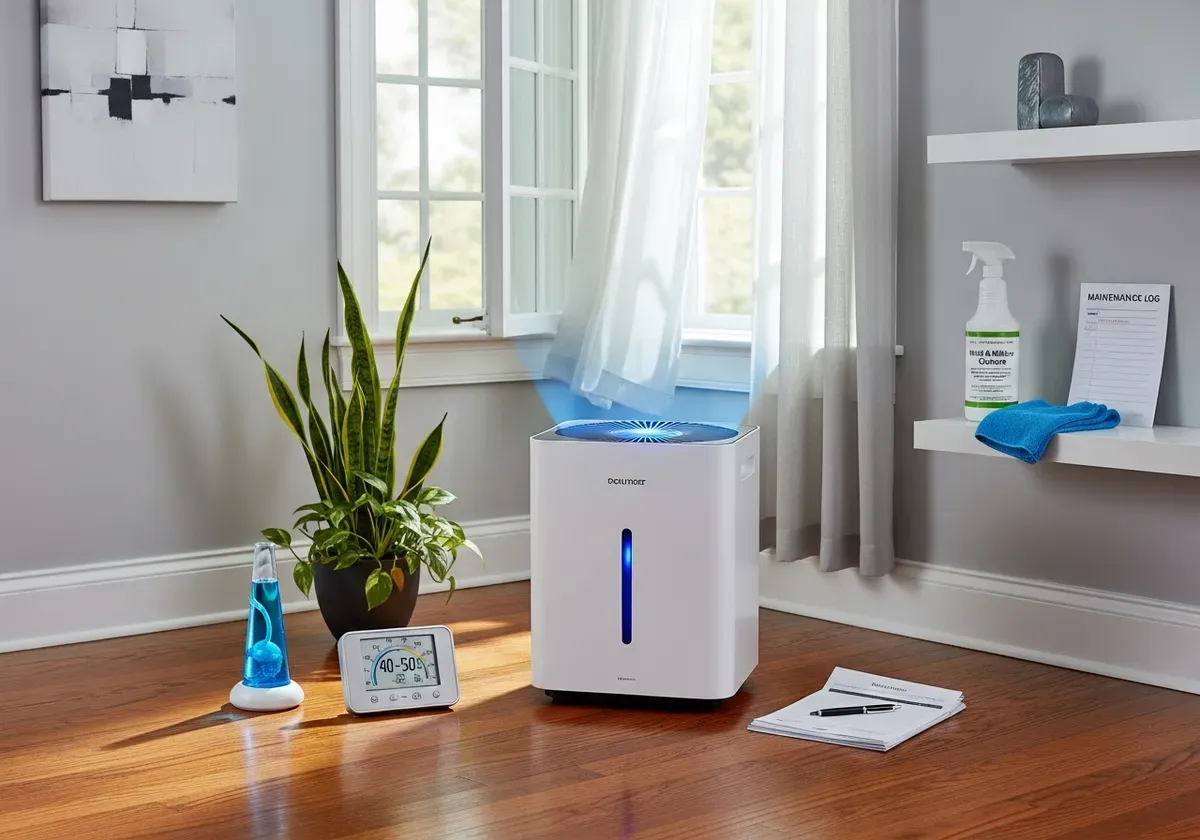
Keep indoor humidity between 30-50% to prevent mold growth. Use a hygrometer to monitor levels in basements, bathrooms, and other moisture-prone areas. When humidity exceeds 60%, mold can colonize surfaces within 48 hours.
Dehumidifiers extract moisture from air, working alongside air purifiers in damp spaces. Size dehumidifiers to remove 30-50 pints daily in basements or rooms with chronic moisture issues. Empty collection buckets daily or connect drain hoses for continuous operation.
Run bathroom exhaust fans during showers and for 20 minutes afterward. Kitchen exhaust fans should vent outside rather than recirculating air. These simple ventilation habits remove moisture before it condenses on surfaces.
Improving Air Circulation and Ventilation
Stagnant air allows humidity to concentrate and spores to settle. Open windows on dry days to exchange indoor air with fresh outdoor air. Run ceiling fans to maintain air movement, which helps surfaces dry faster after moisture exposure.
Keep furniture several inches from exterior walls to allow air circulation behind pieces where condensation might otherwise accumulate. In closets prone to mustiness, consider leaving doors slightly open or installing small battery-powered fans.
I pulled my bedroom dresser six inches from the exterior wall last winter, and within two weeks the musty smell I'd been blaming on old clothes disappeared entirely. That dead air pocket behind the furniture had been staying cold enough to collect condensation every night, creating a perfect mold nursery I couldn't even see. Now I can slide a hand behind any furniture piece on outside walls—if there's no airflow, I know I need to adjust the layout.
Regular Cleaning and Maintenance Practices
Vacuum with HEPA-filtered vacuums weekly to remove settled spores from carpets, upholstery, and hard floors before they become airborne again. Damp-mop hard surfaces rather than dry-sweeping, which launches particles into air.
Clean or replace HVAC filters monthly during heavy-use seasons. Dirty filters restrict airflow and accumulate mold spores that spread through ductwork. Consider upgrading to MERV 11-13 filters if your system can handle the increased airflow resistance.
Inspect areas prone to moisture monthly: under sinks, around windows, basement corners, and bathroom ceilings. Early detection allows simple cleaning before growth becomes extensive. Address leaks within 24-48 hours to prevent mold establishment.
Strategic Air Purifier Placement
Position purifiers where you spend the most time and where mold risk concentrates. Bedrooms benefit from overnight purification, while basements need continuous operation during humid months.
Place units at least 12 inches from walls and furniture to allow unrestricted air intake. Avoid corners where air circulation naturally diminishes. In large rooms, position purifiers centrally rather than against perimeter walls.
Run purifiers continuously on low-to-medium settings rather than intermittently on high. Constant operation maintains consistently low spore concentrations, while intermittent use allows levels to rebound between cycles. The energy difference is minimal, most purifiers consume 30-80 watts on medium settings.
Maintaining Your Air Purifier for Maximum Effectiveness
Regular maintenance preserves filtration efficiency and prevents your purifier from becoming a mold source itself. Neglected filters can harbor mold growth, releasing spores back into your air.
Filter Replacement Schedules
Replace HEPA filters every 12-18 months under typical conditions, or every 6-8 months in homes with active mold issues or high humidity. Pre-filters need replacement or cleaning monthly. Activated carbon filters lose effectiveness after 3-6 months as pores become saturated with absorbed compounds.
Filter replacement indicators on premium models track actual usage and air quality, providing more accurate timing than calendar-based schedules. When indicators aren't available, reduced airflow or returning odors signal filter saturation.
Keep replacement filters on hand so you're never running a purifier with compromised filtration. Filters are widely available online, often at better prices than buying direct from manufacturers.
Cleaning and Care Guidelines
Vacuum pre-filters weekly using your vacuum's brush attachment to remove accumulated dust and visible particles. Wash fabric pre-filters monthly in warm water without detergent, allowing them to dry completely before reinstalling.
Wipe exterior surfaces and air intake grilles monthly with a damp cloth to prevent dust buildup that restricts airflow. Never use cleaning products directly on filters or inside the unit, residues can damage filter materials or release chemicals into your air.
Inspect filters during replacement for signs of mold growth, dark spots, musty odors, or visible fuzz. If filters show mold, the unit was likely operating in excessively humid conditions, address moisture sources before installing new filters.
Check your air purifier's performance by monitoring how quickly musty odors return and whether dust accumulates more quickly on surfaces. Declining performance between filter changes may indicate air leaks around filter seals or motor issues requiring professional service.
Related Articles
- Best Air Purifiers for Home: 2024 Expert Reviews & Buyer's Guide
- Where to Place Your Air Purifier: Room-by-Room Placement Guide
- Ideal Humidity Levels for Home: Complete Comfort Guide
- Indoor Air Quality Testing: Complete Guide to Testing Your Home
- 9 Science-Backed Air Purifier Benefits for Your Health & Home
- Best Indoor Air Quality Monitors: 2024 Buyer's Guide & Reviews
Frequently Asked Questions
Will an air purifier alone eliminate my mold problem?
No, air purifiers remove airborne spores but cannot stop mold from growing on surfaces. You must also control moisture, fix leaks, and clean existing mold. Air purifiers work best as part of a complete mold management strategy that includes humidity control and surface cleaning.
What's the difference between true HEPA and HEPA-type filters?
True HEPA filters capture 99.97% of particles as small as 0.3 micrometers and meet strict Department of Energy standards. HEPA-type filters use looser standards and only capture 85-90% of particles. For mold concerns, true HEPA certification is essential for effective protection.
How do I know what size air purifier I need for my room?
Match the air purifier's CADR (Clean Air Delivery Rate) rating to your room size. The article emphasizes selecting units with CADR ratings appropriate for your space to ensure effective mold spore removal throughout the area.
Can air purifiers remove musty odors caused by mold?
Yes, air purifiers that combine true HEPA filters with activated carbon filters can eliminate both mold spores and the musty odors that signal mold presence. The activated carbon component specifically targets odor-causing compounds.
When should I call a professional mold remediation service instead of relying on an air purifier?
The article indicates warning signs exist for when professional help is needed, though specific details are in the 'Air Purifiers vs. Professional Mold Remediation' section. Generally, if you have active mold growth on surfaces or persistent moisture problems, professional remediation is necessary alongside air purification.
How often should I replace my air purifier's filter for mold removal?
The article notes that filter replacement schedules are covered in the maintenance section. Replacement frequency depends on your specific unit and mold spore levels in your home, so consult your purifier's manual for recommended intervals.
Are people over 55 at higher risk from mold exposure?
Yes, adults 55 and older face significantly increased risks from mold exposure, especially those with weakened immune systems, chronic lung diseases, asthma, or who are immunocompromised. These groups may develop serious infections or complications from inhaled mold spores.
What humidity level should I maintain to prevent mold growth?
The article emphasizes controlling indoor humidity as part of mold prevention strategy, with details covered in the 'Creating a Complete Mold Prevention Strategy' section. Proper humidity control is essential because mold spores remain dormant without moisture, regardless of air filtration.