Indoor Air Quality Testing: Complete Guide to Testing Your Home
Indoor air quality testing measures the concentration of pollutants in your home's air, particulate matter, volatile organic compounds (VOCs), carbon monoxide, radon, mold spores, and humidity levels. Testing reveals whether your space contains harmful levels of contaminants that can trigger respiratory problems, worsen existing conditions like asthma or COPD, and contribute to long-term health issues. Most homes contain some level of air pollution, but testing shows you exactly what you're breathing and whether action is needed.
Table of Contents
- Understanding Indoor Air Quality and Why Testing Matters
- What Indoor Air Quality Testing Reveals
- Health Risks Most Relevant to Older Adults
- Warning Signs Your Home Needs Air Quality Testing
- Health Symptoms to Watch For
- Home Condition Red Flags
- Common Indoor Air Pollutants and What They Mean for Your Health
- Particulate Matter and Allergens
- Chemical Pollutants (VOCs and Gases)
- Biological Contaminants
- DIY vs. Professional Testing: Making the Right Choice
- When DIY Testing Is Sufficient
- When Professional Testing Is Necessary
- Cost Comparison and What to Expect
- Complete Guide to DIY Air Quality Testing
- Air Quality Monitors: Continuous Measurement Devices
- Single-Use Test Kits for Specific Contaminants
- Step-by-Step DIY Testing Protocol
- What to Expect from Professional Air Quality Testing
- How to Interpret Your Air Quality Test Results
- Taking Action: Solutions for Poor Air Quality
- Creating an Ongoing Air Quality Maintenance Plan
Understanding Indoor Air Quality and Why Testing Matters
Your home's air likely contains more pollution than the air outside. EPA studies show indoor air pollutant levels run 2-5 times higher than outdoor levels, occasionally exceeding outdoor pollution by more than 100 times. This matters because Americans spend approximately 90% of their time indoors, making indoor air exposure the primary source of pollutant contact for most people.
The invisible nature of air pollutants creates a false sense of security. You can't see PM2.5 particles, the microscopic bits of dust, smoke, and chemical compounds small enough to penetrate deep into lung tissue. You can't smell carbon monoxide leaking from a malfunctioning furnace. You won't notice elevated VOC levels from that new furniture until symptoms appear weeks later.
Testing transforms this invisible threat into measurable data. Instead of guessing whether your morning headaches stem from poor sleep or indoor air pollution, you get specific numbers showing exactly what's floating in your space. I learned this lesson the hard way after my family moved into what seemed like a pristine suburban home. Within weeks, my daughter developed a persistent cough that wouldn't quit, and I found myself waking up with headaches every morning. It wasn't until we tested the air and discovered elevated formaldehyde levels from new cabinets and flooring that we understood why our "dream home" was making us sick—the air looked perfectly clear, but it was quietly poisoning us.
What Indoor Air Quality Testing Reveals
Comprehensive testing measures six primary categories of indoor pollutants. Particulate matter (PM2.5 and PM10) includes dust, pollen, pet dander, and combustion particles from cooking or smoking. VOCs are gases released from paints, cleaning products, furniture, and building materials, formaldehyde, benzene, and hundreds of other compounds that evaporate at room temperature.
Carbon monoxide testing detects this odorless gas produced by fuel-burning appliances like furnaces, water heaters, and gas stoves. Radon measurement identifies this radioactive gas that seeps through foundation cracks and causes lung cancer. Mold spore analysis reveals fungal growth that thrives in damp conditions, while humidity monitoring shows whether moisture levels create conditions for biological contamination.
Each pollutant requires different testing methods. Real-time monitors continuously track PM2.5 and VOC levels, showing how cooking or cleaning affects air quality. Radon tests run for 2-90 days to account for natural fluctuation. Mold tests collect air or surface samples sent to labs for species identification.
Health Risks Most Relevant to Older Adults
Poor indoor air quality hits older adults particularly hard because aging reduces respiratory system resilience. Particulate matter smaller than 2.5 micrometers penetrates deep into lungs, triggering inflammation that strains cardiovascular systems already managing conditions like hypertension or coronary artery disease (according to CDC research on air pollution and respiratory health).
VOC exposure affects cognitive function more severely in older adults, well, partly because reduced liver and kidney function slows toxin clearance from the body. Studies link chronic low-level VOC exposure to increased dementia risk and accelerated cognitive decline. Carbon monoxide poisoning symptoms, confusion, dizziness, weakness, often get mistaken for normal aging or medication side effects, delaying treatment.
Radon exposure becomes especially dangerous for older adults because cumulative lifetime exposure determines lung cancer risk. The EPA reports radon causes approximately 21,000 lung cancer deaths annually, with risk increasing proportionally to years of exposure. Mold spores trigger severe reactions in people with compromised immune systems or existing respiratory conditions like COPD, causing infections that healthy immune systems would easily fight off.
Warning Signs Your Home Needs Air Quality Testing
Certain symptoms and home conditions signal elevated pollutant levels requiring investigation. The pattern matters more than isolated incidents, look for recurring issues that improve when you leave your home and return when you come back. Multiple household members experiencing similar symptoms simultaneously suggests environmental causes rather than individual health problems.

Health Symptoms to Watch For
Morning headaches that fade within an hour of waking indicate possible carbon monoxide exposure or VOC accumulation overnight. Persistent dry cough, throat irritation, or nasal congestion that improves during vacations points to particulate matter or mold spores in your home's air. Eye irritation, unexplained fatigue, and difficulty concentrating often stem from VOC exposure or poor ventilation raising carbon dioxide levels.
Worsening asthma symptoms despite medication compliance suggests new or increased allergen sources. Frequent respiratory infections, especially in winter when homes stay sealed, indicate biological contaminants or insufficient fresh air exchange.
Home Condition Red Flags
Visible mold growth anywhere, bathroom tiles, window frames, basement walls, means airborne spore counts likely exceed safe levels throughout your space. Musty or stale odors indicate mold growth hidden inside walls or HVAC systems. Condensation forming on windows during cold weather shows excessive humidity creating conditions for biological contamination.
Recent renovations introduce VOCs from new paint, flooring, cabinets, and adhesives that off-gas for months. Water damage from leaks or flooding creates mold growth within 24-48 hours, even after visible water disappears. Attached garages allow vehicle exhaust to infiltrate living spaces through shared walls and doorways.
Homes built before 1990 may contain asbestos insulation or lead paint that releases particles during deterioration. Poor ventilation, lack of exhaust fans in bathrooms and kitchens, rarely opened windows, no fresh air intake, allows pollutants to accumulate rather than dissipate.
Common Indoor Air Pollutants and What They Mean for Your Health
Understanding specific pollutants helps you prioritize testing and interpret results effectively. Each contaminant has distinct sources, health effects, and acceptable concentration levels that determine whether intervention is necessary.

Common Indoor Air Pollutants: Sources, Health Effects, and Testing Methods
| Pollutant Type | Primary Sources | Health Effects | Testing Method |
|---|---|---|---|
| Particulate Matter (PM2.5/PM10) | Dust, pollen, pet dander, cooking smoke, combustion particles | Lung inflammation, cardiovascular strain, respiratory issues | Real-time air quality monitors |
| Volatile Organic Compounds (VOCs) | Paints, cleaning products, furniture, new flooring, building materials | Headaches, respiratory irritation, cognitive decline, increased dementia risk | Real-time monitors or single-use test kits |
| Carbon Monoxide | Furnaces, water heaters, gas stoves, malfunctioning appliances | Confusion, dizziness, weakness, poisoning (symptoms often mistaken for aging) | Dedicated CO detectors/monitors |
| Radon | Foundation cracks, soil seepage | Lung cancer (EPA: ~21,000 deaths annually) | 2-90 day radon test kits |
| Mold Spores | Damp conditions, moisture buildup | Severe respiratory reactions, infections (especially in immunocompromised individuals) | Air or surface samples sent to lab for species identification |
| Excess Humidity | Poor ventilation, water damage, condensation | Creates conditions for mold and biological contamination growth | Humidity monitoring devices |
Particulate Matter and Allergens
PM2.5 refers to particles 2.5 micrometers or smaller, about 30 times smaller than human hair width. These particles penetrate deep into lungs and enter the bloodstream, causing inflammation that affects both respiratory and cardiovascular systems. EPA research suggests keeping PM2.5 below 12 μg/m³ for long-term health, though outdoor air quality standards allow up to 35 μg/m³ for 24-hour averages.
PM10 includes larger particles (2.5-10 micrometers) like dust, pollen, and mold spores that irritate airways but don't penetrate as deeply. Most homes maintain PM2.5 levels between 15-40 μg/m³, spiking during cooking or when outdoor pollution infiltrates through open windows. Acceptable PM10 levels stay below 50 μg/m³ for daily exposure.
Common sources include cooking (especially frying and high-heat methods), candles and incense, fireplace smoke, outdoor air infiltration, and dust from carpets and upholstery. Pet dander and pollen add biological particles that trigger allergic reactions even at concentrations too low to affect non-allergic individuals.
Chemical Pollutants (VOCs and Gases)
Volatile organic compounds encompass thousands of chemicals that evaporate at room temperature, releasing gases from solid or liquid sources. Formaldehyde, the most common indoor VOC, off-gases from pressed wood furniture, cabinets, and flooring, with levels above 0.1 parts per million causing eye and throat irritation (according to EPA guidance on VOC impacts on indoor air quality).
Total VOC (TVOC) measurements combine all volatile compounds into a single number. Levels below 0.3 mg/m³ are considered acceptable, 0.3-0.5 mg/m³ may cause discomfort, and levels above 0.5 mg/m³ typically trigger symptoms in sensitive individuals. Benzene, toluene, and xylene from paints and solvents pose particular health risks, with no safe exposure level for benzene due to its cancer-causing properties.
Carbon monoxide requires separate testing because it's odorless, colorless, and immediately dangerous. Levels above 9 parts per million indicate malfunctioning combustion appliances requiring immediate repair. Radon, a radioactive gas from uranium decay in soil, seeps through foundation cracks, with the EPA recommending mitigation for levels at or above 4 picocuries per liter.
Biological Contaminants
Mold, mildew, bacteria, and viruses thrive when relative humidity exceeds 60% for extended periods. Mold spores exist everywhere, but concentration matters, outdoor air typically contains 50-200 spores per cubic meter, while indoor levels should stay below outdoor counts.
Different mold species pose varying health risks. Common household molds like Cladosporium and Penicillium cause allergic reactions and respiratory irritation. Aspergillus can cause serious lung infections in immunocompromised individuals. Stachybotrys (black mold) produces mycotoxins that cause severe respiratory symptoms, though it's less common than media coverage suggests.
Humidity control prevents most biological contamination. Maintaining relative humidity between 30-50% inhibits mold growth while keeping air comfortable. Levels below 30% dry out mucous membranes, reducing natural defenses against airborne pathogens. Above 60%, mold growth accelerates and dust mites proliferate.
DIY vs. Professional Testing: Making the Right Choice
The decision between DIY and professional testing depends on your specific situation, budget, and what you need from the results. DIY testing costs $30-$200 and works well for general monitoring or investigating specific concerns. Professional testing runs $300-$1,000+ but provides comprehensive analysis, legal documentation, and expert interpretation.
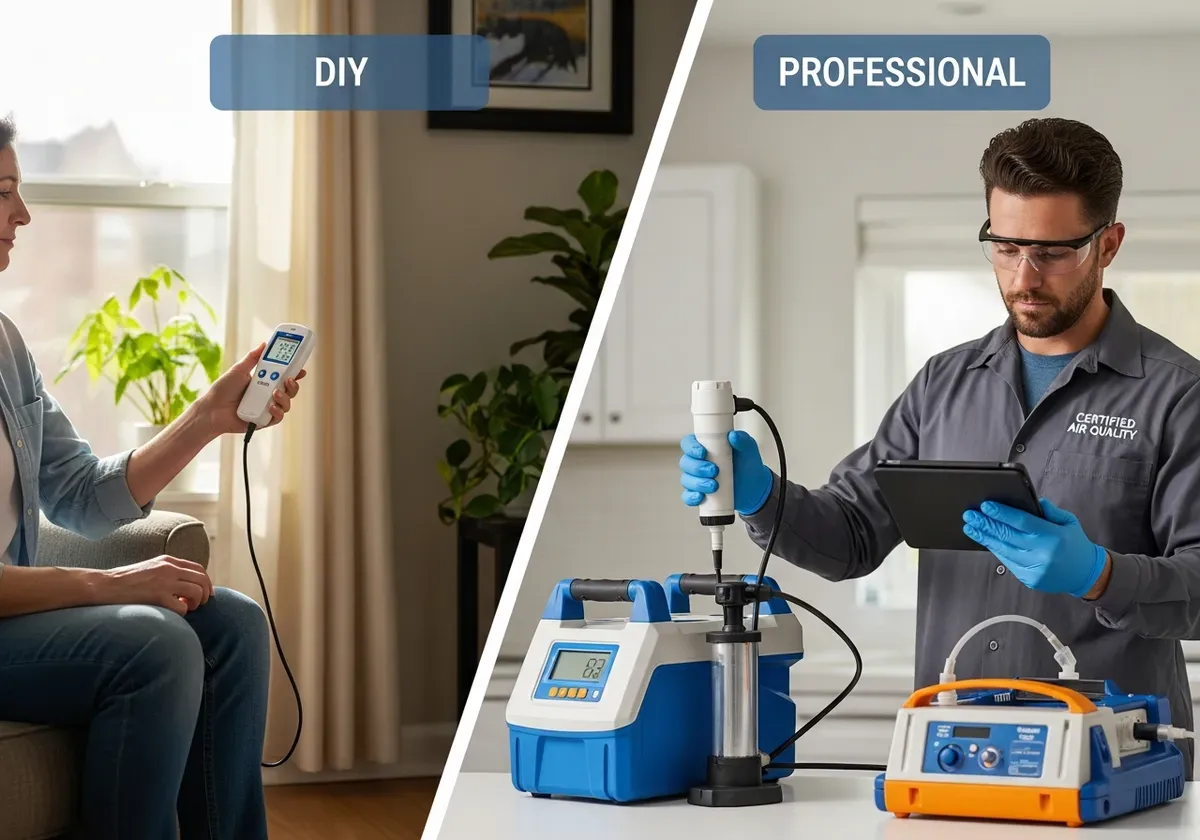
DIY vs. Professional Air Quality Testing: Comparison Guide
| Testing Approach | Best For | Advantages | Limitations | Typical Cost Range |
|---|---|---|---|---|
| DIY Air Quality Monitors (Continuous) | Real-time PM2.5 and VOC tracking, identifying pollution patterns | Immediate results, shows how activities affect air quality, reusable | Cannot detect radon or mold species, limited accuracy vs. professional equipment | $100-$500 |
| DIY Single-Use Test Kits | Specific contaminants like radon or mold when professional testing seems unnecessary | Affordable, easy to use, can test multiple areas | Requires lab analysis time, less reliable than professional testing, limited pollutant types | $20-$200 |
| Professional Testing Services | Comprehensive assessment, legal/real estate requirements, health concerns requiring accuracy | Lab-certified results, tests all pollutant types, expert interpretation, identifies sources | Higher cost, scheduling required, results take time | $300-$1,500+ |
When DIY Testing Is Sufficient
DIY methods work well for routine monitoring after you've addressed known issues and want to verify improvements. If you're concerned about a specific pollutant, radon, formaldehyde, or general particulate levels, targeted DIY tests provide adequate information for residential decision-making. Post-renovation testing to track VOC off-gassing uses inexpensive monitors that show when levels return to normal.
Budget constraints make DIY testing the practical starting point for most homeowners. A quality air quality monitor measuring PM2.5, VOCs, temperature, and humidity costs $150-$200 and provides continuous data you can track over time. Radon test kits cost $15-$30 and meet EPA testing protocols when you follow instructions carefully.
General curiosity about your home's air quality doesn't require professional testing. DIY monitors let you experiment with ventilation changes, air purifier placement, and cleaning routines while seeing real-time impacts on pollutant levels. According to EPA data, approximately 1 in 15 U.S. homes has elevated radon levels at or above the action level of 4 pCi/L, making it the second leading cause of lung cancer after smoking. The agency's studies show that short-term DIY radon test kits, when properly placed and analyzed by certified labs, achieve accuracy rates exceeding 95% compared to professional continuous monitors. For formaldehyde specifically, research published in Environmental Science & Technology (2019) found that consumer-grade sensors in the $200-$300 range showed strong correlation (R² > 0.85) with reference laboratory methods when measuring concentrations typical of residential environments, making them reliable for identifying problem areas without requiring expensive professional equipment.
When Professional Testing Is Necessary
Real estate transactions often require professional testing for radon, mold, and sometimes VOCs to satisfy lending requirements or buyer contingencies. Professional reports provide legal documentation that DIY results can't match. Serious unexplained health symptoms, chronic respiratory issues, persistent headaches, cognitive problems, warrant comprehensive professional assessment that tests multiple pollutants simultaneously.
Suspected mold growth behind walls or in HVAC systems needs professional investigation because surface tests miss hidden contamination. Professionals use thermal imaging, moisture meters, and strategic air sampling to locate sources. Suspected asbestos or lead paint requires certified professional testing, well, because disturbing these materials during DIY testing creates serious health hazards.
Insurance claims and legal disputes demand professionally documented results. If you're pursuing remediation costs from a landlord or previous homeowner, DIY test results won't hold up in court.
Cost Comparison and What to Expect
DIY air quality monitors range from $30 basic humidity and temperature gauges to $200 multi-sensor devices measuring PM2.5, PM10, VOCs, CO2, temperature, and humidity. Single-use test kits cost $15-$50 for radon, $30-$80 for mold, and $50-$150 for comprehensive VOC panels. Annual DIY monitoring costs under $300 including replacement sensors and periodic targeted testing.
Professional testing starts around $300 for basic radon or mold assessment and reaches $800-$1,200 for comprehensive multi-pollutant analysis. Complex investigations involving hidden mold, HVAC contamination, or multiple site visits can exceed $2,000.
Consider return on investment: professional testing that identifies a $500 radon mitigation need prevents potential lung cancer treatment costs exceeding $100,000. DIY monitoring that helps you optimize air purifier placement maximizes your equipment investment and reduces health impacts from chronic exposure.
Complete Guide to DIY Air Quality Testing
DIY testing divides into continuous monitoring devices that track pollutants in real-time and single-use kits that measure specific contaminants over set periods. Understanding proper placement, testing duration, and result interpretation ensures accurate data that guides effective improvements.
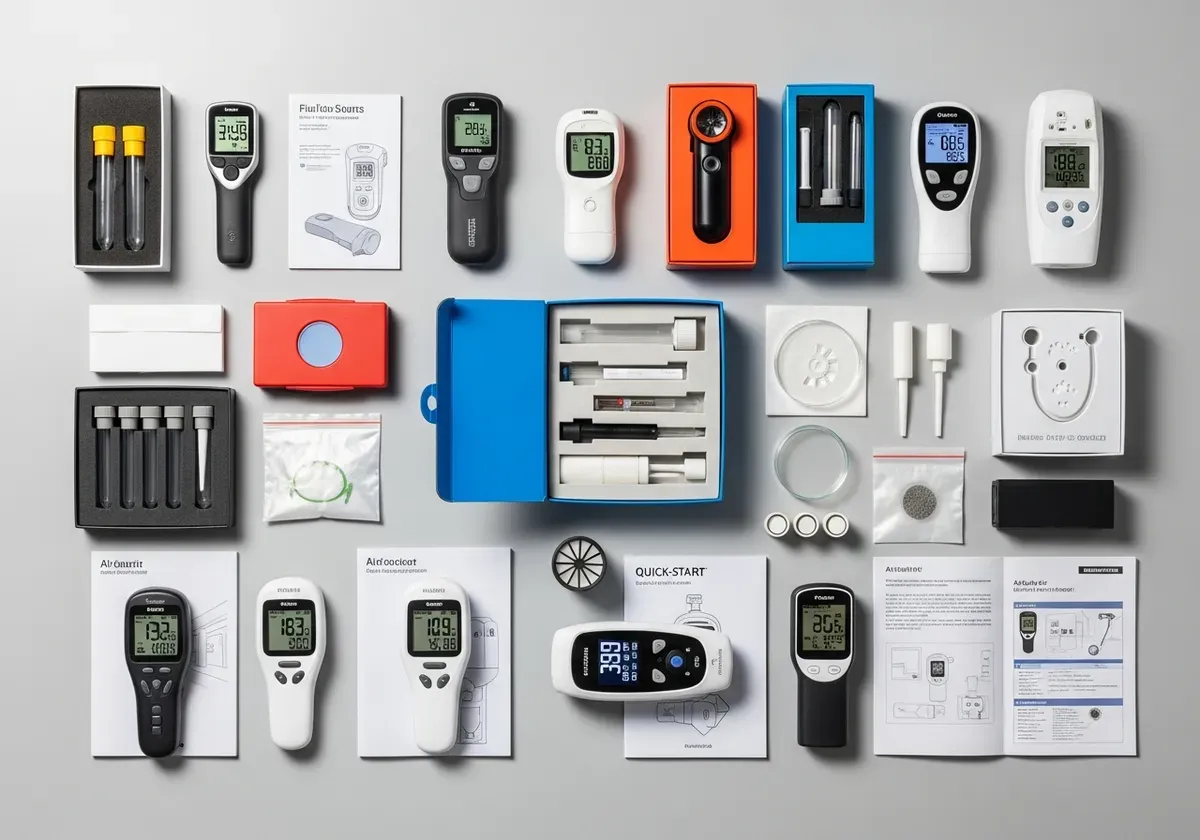
Air Quality Monitors: Continuous Measurement Devices
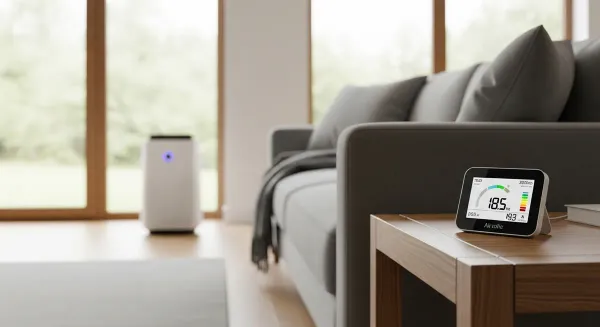
Electronic air quality monitors measure multiple pollutants simultaneously, displaying real-time readings and tracking trends over days or weeks. Quality monitors measure PM2.5 particulates, total VOCs, carbon dioxide, temperature, and relative humidity, the five metrics that reveal most residential air quality issues. Some models add PM10, formaldehyde, and carbon monoxide for comprehensive monitoring.
Place monitors at breathing height (4-5 feet) in rooms where you spend the most time, bedrooms, living rooms, home offices. Avoid locations near windows, doors, air vents, or kitchens where readings will show temporary spikes rather than typical conditions. Run monitors for at least 48 hours before drawing conclusions, since pollutant levels fluctuate with daily activities.
Interpreting readings requires understanding baseline levels. PM2.5 should stay below 12 μg/m³ for healthy long-term exposure, though brief spikes to 35 μg/m³ during cooking are normal. TVOC levels below 220 μg/m³ indicate good air quality, 220-660 μg/m³ suggests moderate concerns, and above 660 μg/m³ requires investigation. CO2 above 1,000 ppm indicates insufficient ventilation, while humidity should stay between 30-50%.
Single-Use Test Kits for Specific Contaminants
Radon test kits provide the most critical single-contaminant testing for homes. Short-term tests run 2-7 days using activated charcoal or electret ion chambers that absorb radon, then get mailed to labs for analysis. Long-term tests (90+ days) provide more accurate annual average readings. Place tests in the lowest lived-in level, away from drafts, with windows and exterior doors kept closed 12 hours before and during testing (according to EPA radon testing protocols).
Mold test kits use either air sampling cassettes that pull air through collection media or surface swabs that gather visible growth samples. Air tests reveal airborne spore concentrations, while surface tests identify specific mold species. However, DIY mold testing has limitations, you're guessing where to sample, and results don't include professional interpretation about whether counts indicate problems.
Formaldehyde test kits use passive diffusion badges worn or placed in rooms for 24-72 hours. VOC test canisters collect air samples sent to labs for detailed chemical analysis, identifying specific compounds rather than just total VOC levels. These specialized tests cost more ($80-$150) but provide actionable data when you're tracking off-gassing from specific sources.
Step-by-Step DIY Testing Protocol
Start with continuous monitoring using a multi-sensor air quality monitor. Run it for one week in your bedroom, then move it to other frequently occupied rooms for 3-4 days each. Record readings at the same time daily and note activities that correlate with spikes, cooking methods, cleaning products, outdoor air quality.
If initial monitoring shows elevated PM2.5 or VOCs, investigate sources. Check HVAC filters, inspect for visible mold, review recent purchases that might off-gas. If you can't identify sources or readings remain high after addressing obvious issues, move to targeted single-contaminant testing.
Conduct radon testing regardless of monitor readings, since radon is invisible to standard air quality monitors. Place tests in basements or ground-floor bedrooms during heating season when closed-house conditions allow radon to accumulate. If results show 4 pCi/L or higher, conduct a second test to confirm before investing in mitigation.
What to Expect from Professional Air Quality Testing
Professional testing provides comprehensive analysis that DIY methods can't match. Certified indoor air quality specialists use calibrated equipment, strategic sampling protocols, and accredited laboratory analysis to identify pollutants and their sources with legal-standard accuracy.
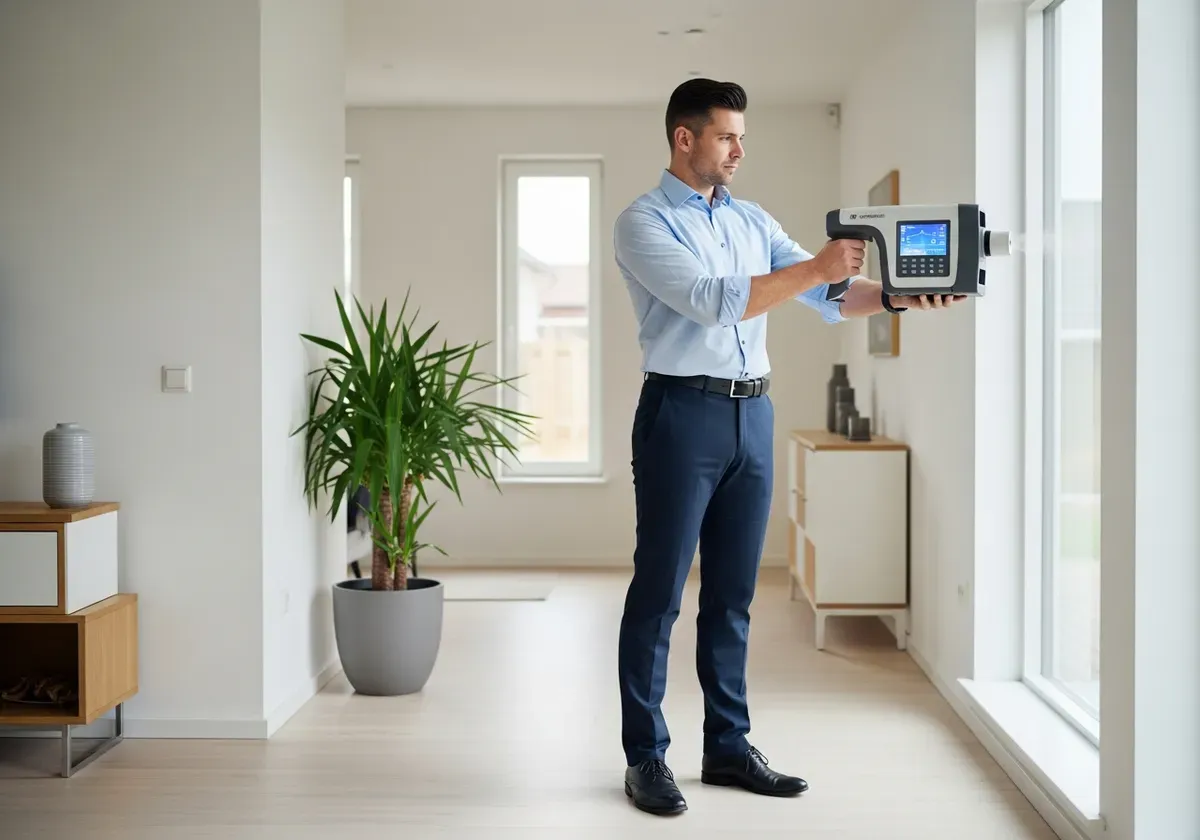
Initial consultation typically involves a walkthrough where the inspector examines your home's construction, HVAC system, potential moisture issues, and recent renovations. They'll ask about health symptoms, when they occur, and whether they improve away from home. This assessment determines which tests to conduct and where to sample.
Testing day involves deploying multiple instruments simultaneously. Particle counters measure PM2.5 and PM10 in real-time across different rooms. VOC sampling uses evacuated canisters or sorbent tubes placed in strategic locations for 8-24 hours. Moisture meters and thermal imaging cameras locate hidden water damage that could harbor mold.
Professionals test locations DIY methods miss, inside HVAC ducts, wall cavities near plumbing, crawl spaces, and attics where contamination originates before spreading through your home. They understand building science and airflow patterns, sampling areas where pollutants concentrate rather than guessing at placement. "A comprehensive indoor air quality assessment should include both real-time monitoring and time-integrated sampling methods to capture the full picture of what occupants are breathing," says Dr. Jeffrey Siegel, Professor of Civil Engineering at the University of Toronto and indoor air quality researcher.
Results arrive within 1-2 weeks as detailed reports including measured concentrations, comparisons to health-based standards, identified sources, and prioritized remediation recommendations. Reports specify which issues require immediate action versus long-term monitoring.
How to Interpret Your Air Quality Test Results
Test results mean nothing without understanding what concentrations indicate problems and what actions different levels require. Each pollutant has established health-based standards, though some guidelines differ between organizations based on their interpretation of health research.

PM2.5 results below 12 μg/m³ indicate good air quality for long-term exposure. Readings between 12-35 μg/m³ suggest moderate concerns, particularly for people with respiratory conditions. Above 35 μg/m³ requires intervention, source identification, improved filtration, or increased ventilation. Daily average readings matter more than brief spikes, since short-term elevation during cooking won't cause health problems.
VOC results depend on whether you have total VOC measurements or specific compound analysis. TVOC below 220 μg/m³ is considered acceptable, 220-660 μg/m³ indicates moderate contamination, and above 2,200 μg/m³ suggests serious off-gassing requiring source removal. Formaldehyde specifically should stay below 0.1 ppm (parts per million), with levels above 0.5 ppm causing immediate irritation.
Radon results are straightforward: below 2 pCi/L is ideal, 2-4 pCi/L suggests considering mitigation, and 4 pCi/L or higher requires mitigation according to EPA recommendations. Some health organizations recommend mitigation at 2.7 pCi/L or higher, since no radon level is completely safe.
Mold test results require more interpretation. Total spore counts above outdoor levels indicate indoor growth, but species identification matters more than total numbers. Finding Stachybotrys or Chaetomium, species that require very wet conditions, indicates serious water damage even at low concentrations.
Carbon monoxide readings above 9 ppm indicate dangerous malfunction of combustion appliances requiring immediate professional repair. Any detectable CO in sleeping areas warrants investigation, since overnight exposure at even low levels causes cumulative health effects.
Taking Action: Solutions for Poor Air Quality
Test results guide targeted improvements rather than generic "clean your air" advice. The most effective approach addresses pollution sources first, improves ventilation second, and adds air cleaning last, though most homes benefit from all three strategies working together (according to EPA guidance on improving indoor air quality).
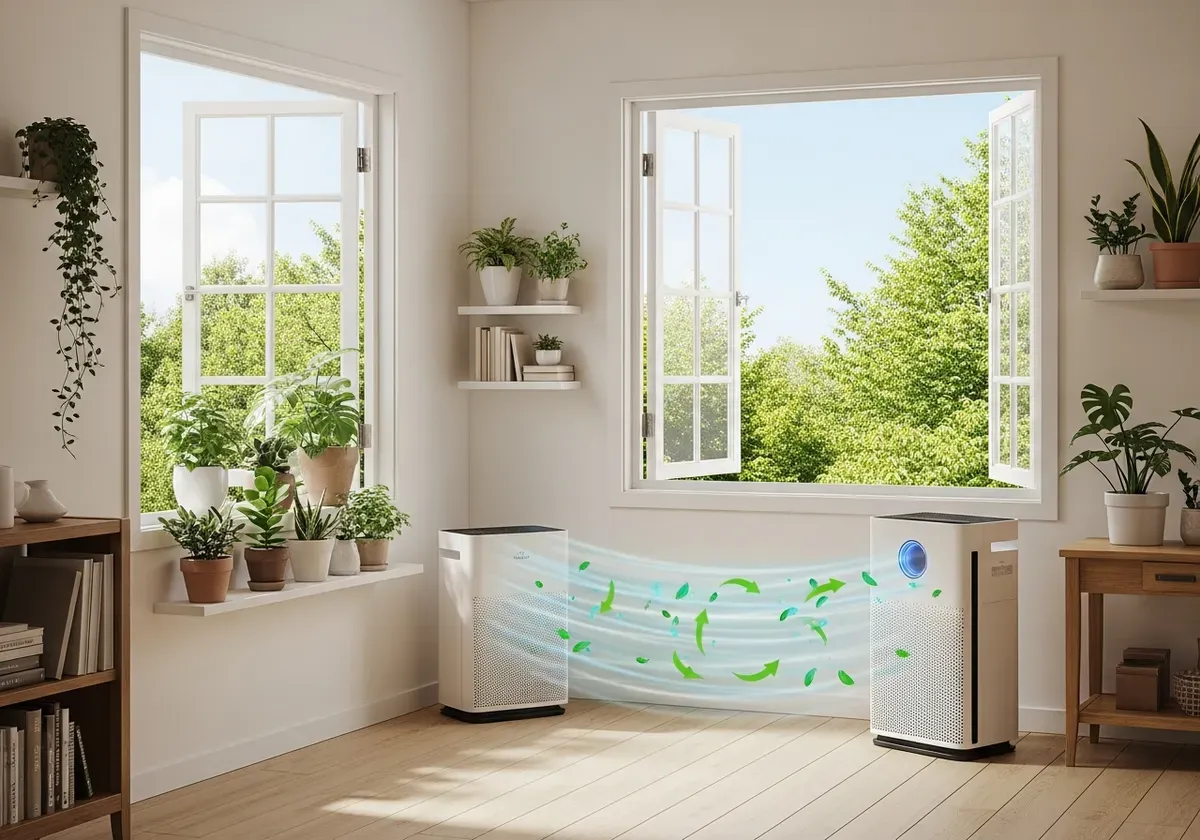
Source control eliminates pollutants at their origin. High VOC readings from new furniture mean increasing ventilation in that room and considering low-VOC alternatives for future purchases. Elevated PM2.5 from cooking requires using range hood exhaust fans that vent outdoors rather than recirculating. Mold growth demands fixing water leaks and reducing humidity, not just cleaning visible growth.
Common source control actions include switching to fragrance-free cleaning products, removing shoes at the door to reduce tracked-in particles, storing paints and solvents in detached garages, and replacing old combustion appliances with high-efficiency models. If you can't eliminate a source, like necessary renovation work, temporarily relocate vulnerable household members and maximize ventilation during and after the activity.
Ventilation improvements bring fresh outdoor air inside while exhausting stale contaminated air. Opening windows provides free ventilation when outdoor air quality is good, though this doesn't work during wildfire season or in high-pollution urban areas. Bathroom and kitchen exhaust fans should run during and for 20 minutes after activities that generate moisture or pollutants.
Mechanical ventilation systems, heat recovery ventilators (HRVs) or energy recovery ventilators (ERVs), provide controlled fresh air exchange without major heating or cooling penalties. These systems cost $1,500-$4,000 installed but dramatically improve air quality in tight, energy-efficient homes where natural air exchange is minimal.
Air purifiers supplement source control and ventilation by removing pollutants that other strategies miss. HEPA filtration removes 99.97% of particles 0.3 micrometers and larger, addressing PM2.5, pollen, pet dander, and mold spores. Activated carbon filters adsorb VOCs and odors. Size purifiers using CADR ratings, the volume of clean air delivered per minute, matching room size to ensure adequate air cleaning.
Radon mitigation requires professional installation of sub-slab depressurization systems that vent radon from beneath foundations before it enters living spaces. These systems cost $800-$2,500 and reduce radon levels by 90%+ in most homes.
Creating an Ongoing Air Quality Maintenance Plan
Single testing and remediation doesn't ensure long-term air quality. Conditions change as homes age, new pollution sources arrive, and seasonal factors affect ventilation and humidity. Ongoing monitoring and maintenance prevent problems from redeveloping after you've invested in improvements.
Monthly monitoring with a portable air quality monitor provides early warning of new issues. Rotate the monitor through different rooms, tracking whether readings remain stable or show increasing trends. Seasonal checks matter most, test during winter when homes stay sealed and during summer when humidity peaks.
HVAC maintenance directly impacts air quality. Replace filters every 1-3 months depending on type and household conditions (pets, smoking, nearby construction). Annual professional HVAC inspections should include checking combustion equipment for proper venting, cleaning coils that harbor mold, and verifying adequate fresh air intake.
Humidity control requires active management. Use bathroom and kitchen exhaust fans consistently, fix plumbing leaks within 24 hours, and run dehumidifiers in basements during humid months. Monitor humidity with inexpensive hygrometers placed in bathrooms, basements, and bedrooms, adjusting ventilation or dehumidification to maintain 30-50% relative humidity year-round.
Reassess after major changes. New furniture, renovations, carpet installation, or changes in household composition (new pets, additional occupants) all affect air quality. Test for 48 hours after introducing new pollution sources, then monthly for three months to track off-gassing curves.
Annual professional testing provides baseline documentation for homes with previous serious issues like mold remediation or radon mitigation. For most homes without special concerns, professional testing every 3-5 years combined with continuous DIY monitoring balances thoroughness with reasonable cost.
Start your air quality testing today by identifying your primary concerns, unexplained health symptoms, specific known risks like radon, or general curiosity about your home's air. Choose DIY monitoring for ongoing awareness or professional testing for comprehensive assessment, then use results to prioritize improvements that protect your health and your family's wellbeing for years to come.
Related Articles
- Best Indoor Air Quality Monitors: 2024 Buyer's Guide & Reviews
- How to Test Air Quality in Your Home: DIY & Professional Methods
- Professional Air Quality Testing Near Me: What to Expect & Cost
- Home Air Quality Testers: Types, Accuracy & Buying Guide
- Home Air Quality Monitoring System: Complete Setup Guide
- 9 Science-Backed Air Purifier Benefits for Your Health & Home
Frequently Asked Questions
How often should I test my home's indoor air quality?
If you've never tested before, conduct an initial comprehensive test to establish a baseline. After that, test annually or whenever you notice health symptoms, make home renovations, or suspect specific problems like water damage or new furniture off-gassing. Homes with known issues should be retested after implementing solutions to verify improvements.
What's the difference between PM2.5 and PM10 particulate matter?
PM2.5 particles are 2.5 micrometers or smaller and penetrate deep into lung tissue, causing more serious health effects. PM10 particles are larger (up to 10 micrometers) and typically get trapped in your upper airways. PM2.5 is considered more dangerous because of its ability to reach the deepest parts of your lungs and enter the bloodstream.
Can I rely on DIY testing kits, or do I need a professional?
DIY monitors work well for continuous tracking of PM2.5 and general VOC levels, making them good for ongoing maintenance. However, professional testing is necessary for radon (requires 2-90 day measurements), mold species identification, and carbon monoxide detection. Use DIY tools for initial screening and professional services when you need definitive results or legal documentation.
What indoor air quality reading is considered safe?
The EPA recommends PM2.5 levels stay below 12 micrograms per cubic meter annually. For radon, levels below 2 pCi/L are considered safe. VOC and carbon monoxide standards vary by compound, which is why interpreting results requires comparing your numbers against EPA or local health department guidelines specific to each pollutant.
How long does it take to get professional air quality test results?
Real-time pollutant measurements (PM2.5, VOCs, humidity) are available immediately from professional monitors. Radon tests take 2-90 days depending on the method used. Mold and biological contaminant samples typically return from the lab within 5-10 business days after collection.
What should I do if my air quality test shows high pollutant levels?
First, identify the pollution source (new furniture, cooking methods, humidity, appliances, or building materials). Then implement targeted solutions like improving ventilation, using air purifiers, removing VOC sources, or fixing moisture problems. Retest after 2-4 weeks to confirm your solutions are working and adjusting your approach as needed.
Are older adults more vulnerable to poor indoor air quality?
Yes, aging reduces respiratory system resilience, making older adults more susceptible to particulate matter damage. Additionally, reduced liver and kidney function slows toxin clearance from their bodies, allowing VOCs and other chemicals to accumulate to higher levels. Older adults with existing cardiovascular or respiratory conditions face even greater risks from poor air quality.
Can new furniture and flooring really affect indoor air quality?
Yes, new furniture, cabinets, and flooring release volatile organic compounds (VOCs) like formaldehyde through off-gassing, which can continue for weeks or months. These invisible chemicals can cause headaches, coughs, and respiratory irritation before you realize what's causing your symptoms, which is why testing after home renovations or new purchases is recommended.