Improve Air Quality as a Renter: No-Permission Solutions
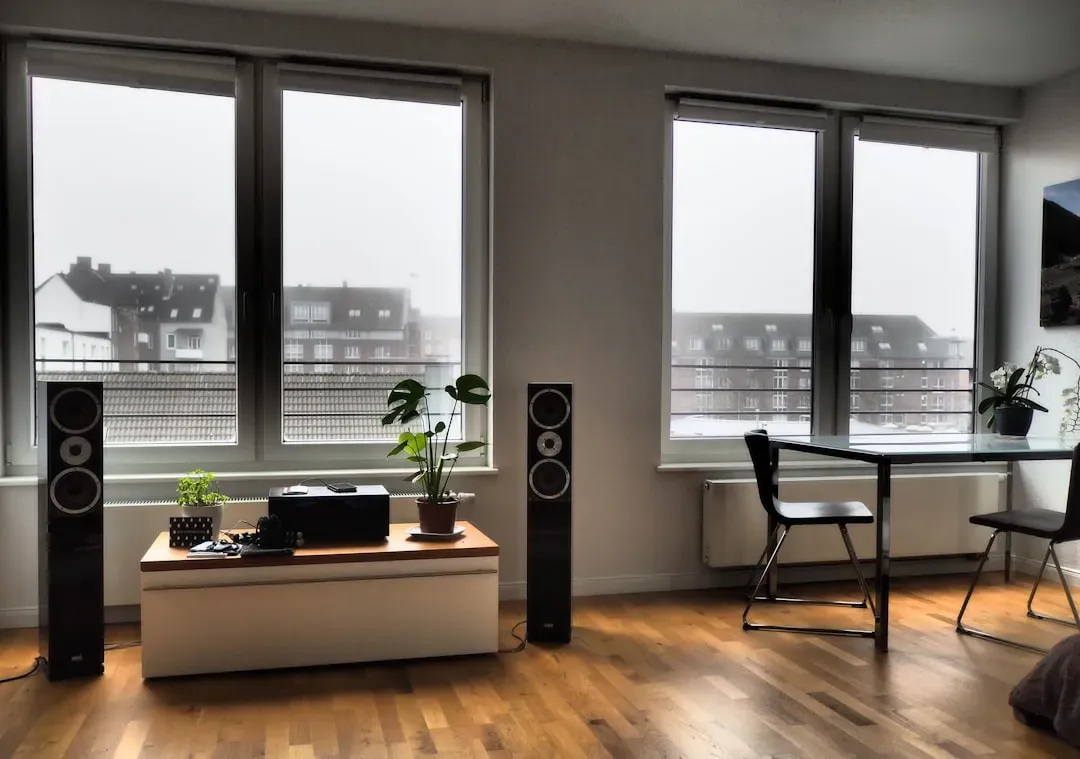
You can improve air quality in your rental immediately by using portable HEPA air purifiers, opening windows strategically when outdoor air quality is good, switching to low-VOC cleaning products, and removing shoes at the door, none of which require landlord permission or permanent modifications. These solutions are fully reversible, portable to your next home, and address the reality that indoor air pollutant levels may be 2-5 times higher than outdoor levels (EPA), a concern that matters especially when you're spending most of your time in a space you can't structurally change.
Table of Contents
- Why Air Quality Matters More for Renters (And What You Can Control)
- Common Air Quality Problems in Rental Properties
- The No-Permission Advantage: Solutions You Can Start Today
- Portable Air Purifiers: Your First Line of Defense
- Choosing the Right Air Purifier for Your Space
- Strategic Placement and Maintenance Tips
- Ventilation Strategies That Require No Modifications
- Smart Window and Door Positioning
- Maximizing Existing Exhaust Systems
- Source Control: Eliminating Pollutants You Can Manage
- Switching to Low-VOC Products and Natural Alternatives
- Daily Habits That Reduce Indoor Pollutants
- Monitoring and Long-Term Maintenance You Control
- Simple Air Quality Monitoring Tools
- Creating a Sustainable Maintenance Schedule
Why Air Quality Matters More for Renters (And What You Can Control)
Rental properties present unique air quality challenges you didn't create but still breathe every day. The building's ventilation system might be decades old, windows might not seal properly, and you're often dealing with odors or pollutants from neighboring units through shared walls and ductwork. Americans spend approximately 90% of their time indoors (CDC), and when you're renting, that indoor environment includes compromises you wouldn't choose if you owned the property.
Common Air Quality Problems in Rental Properties
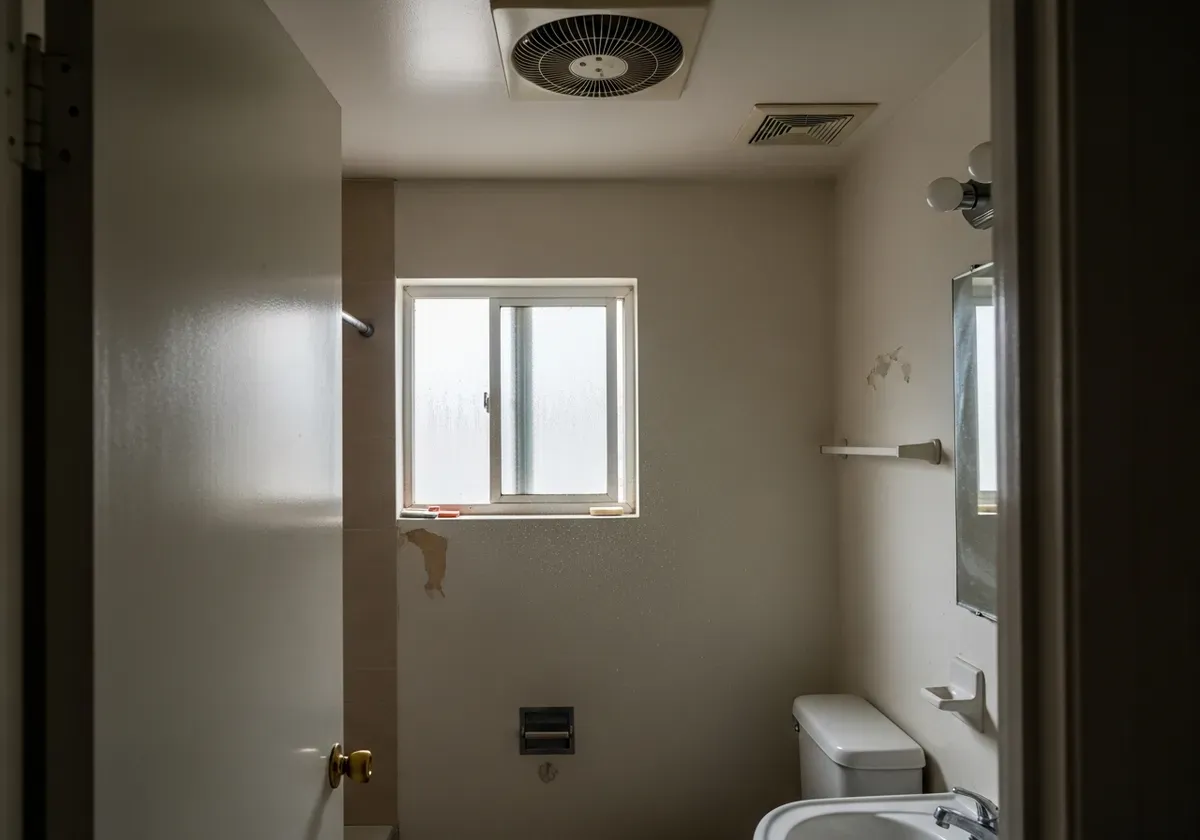
Poor ventilation tops the list of rental air quality issues. Many older buildings were constructed before modern ventilation standards, leaving you with stuffy air that traps cooking odors, cleaning product fumes, and dust. You'll notice musty smells in bathrooms without windows, persistent cooking odors from neighbors in multi-unit buildings, and dust that settles on surfaces within a day of cleaning.
The health symptoms hit harder for adults over 55. You might wake up congested, experience more frequent headaches, feel unusually fatigued, or notice your existing allergies or asthma worsening. People who are most susceptible to adverse effects of pollution include the elderly and those with cardiovascular or respiratory disease (CDC), which makes addressing these problems more urgent than cosmetic.
The No-Permission Advantage: Solutions You Can Start Today
Here's the empowering reality: the most effective indoor air quality improvements don't require landlord approval, contractor visits, or permanent installations. Source control, eliminating individual pollution sources or reducing their emissions, is usually the most effective way to improve indoor air quality (EPA), and it's completely within your control as a renter.
The solutions ahead cost anywhere from nothing to a few hundred dollars, work immediately, and move with you to your next residence. You're not asking permission or waiting for maintenance requests to be fulfilled. You're taking direct action on the air you breathe, starting today with strategies that leave no trace when you eventually move out.
Portable Air Purifiers: Your First Line of Defense
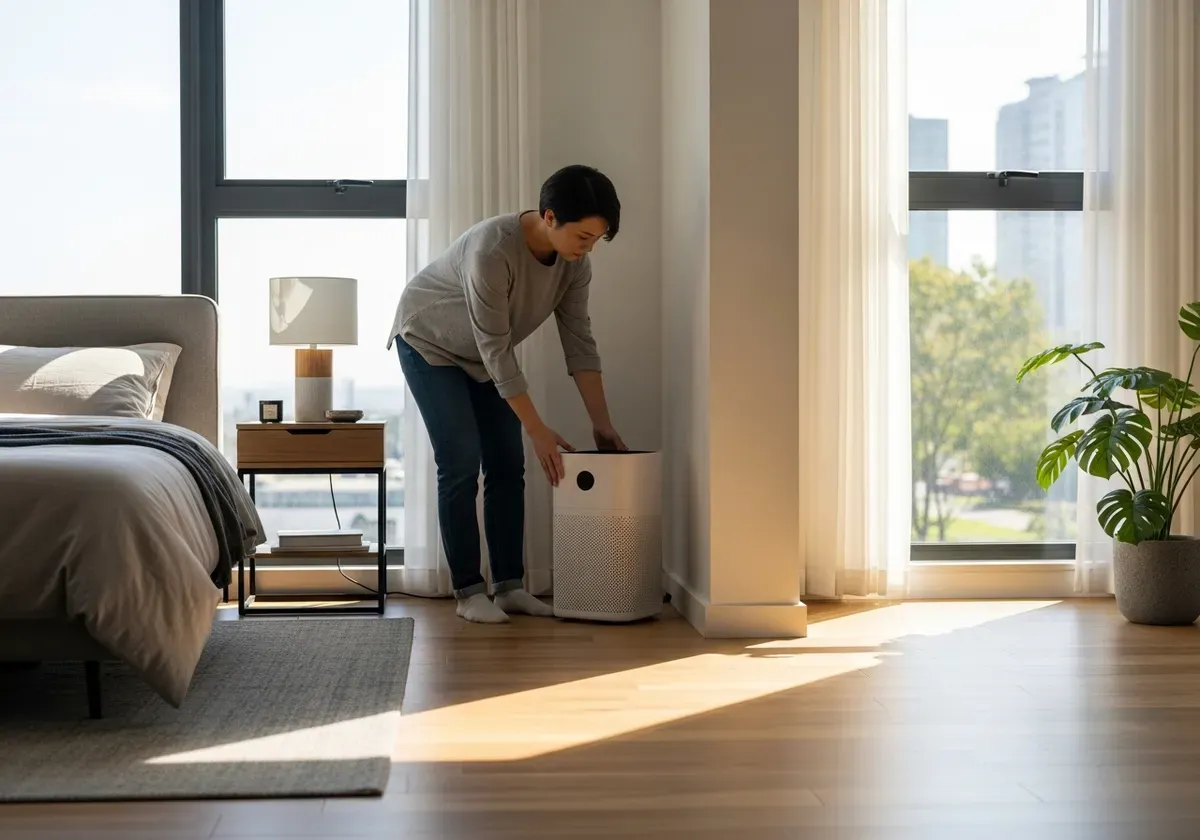
Portable air purifiers give renters the most control over indoor air quality without touching a single wall or ceiling. These standalone units pull air through filters that trap particles, and the right model can reduce PM2.5 (particulate matter 2.5 micrometers or smaller) to levels below 12 μg/m³, the threshold where most people with respiratory sensitivity notice improvement.
No-Permission Air Quality Solutions for Renters: Comparison
| Solution | Cost Range | Setup Time | Reversibility | Effectiveness Level |
|---|---|---|---|---|
| Portable HEPA Air Purifier | $100-400 | 5 minutes | Fully portable | High |
| Strategic Window Ventilation | $0 | Immediate | Fully reversible | Medium-High |
| Low-VOC Cleaning Products | $20-50 | Immediate | Fully reversible | Medium |
| Remove Shoes at Door | $0 | Immediate | Fully reversible | Medium |
| Air Quality Monitor | $30-150 | 5 minutes | Fully portable | Medium (informational) |
Choosing the Right Air Purifier for Your Space
Look for HEPA filters, high efficiency particulate air filters capable of removing at least 99.97% of airborne particles 0.3 micrometers in diameter (EPA). This isn't marketing language, it's a tested standard that actually captures the dust, pollen, mold spores, and pet dander floating in your rental.
Match the purifier's CADR (Clean Air Delivery Rate, the cubic feet per minute of cleaned air it produces) to your room size. For a 150-square-foot bedroom, you need a CADR of at least 100. For a 300-square-foot living room, look for CADR ratings above 200. The math matters because an undersized unit runs constantly without actually cleaning the full air volume.
Noise levels deserve attention when you're spending significant time at home. Models rated below 50 decibels on their highest setting won't disrupt sleep or television watching. Energy costs typically run $3-8 monthly when running a purifier 24/7, less than you'd spend on most subscription services, honestly.
Strategic Placement and Maintenance Tips
Position your air purifier at least six inches from walls and furniture so air can circulate into the intake vents. Your bedroom deserves priority placement since you spend 7-9 hours there breathing the same air repeatedly. Place the unit on the side of the room where you sleep, not directly next to your bed where fan noise might bother you.
Run the purifier continuously on medium or low settings rather than high speed for short periods. Consistent operation maintains clean air instead of playing catch-up, you can reduce to low speed when you're away from home if energy costs concern you, but never turn it off completely.
Check filters monthly by looking at them, if they're visibly gray or brown, they're working but approaching replacement time. Most HEPA filters last 6-12 months depending on your air quality and runtime. Set a phone reminder for filter checks, and keep one spare filter on hand so you're never breathing through a clogged filter while waiting for shipping.
Ventilation Strategies That Require No Modifications
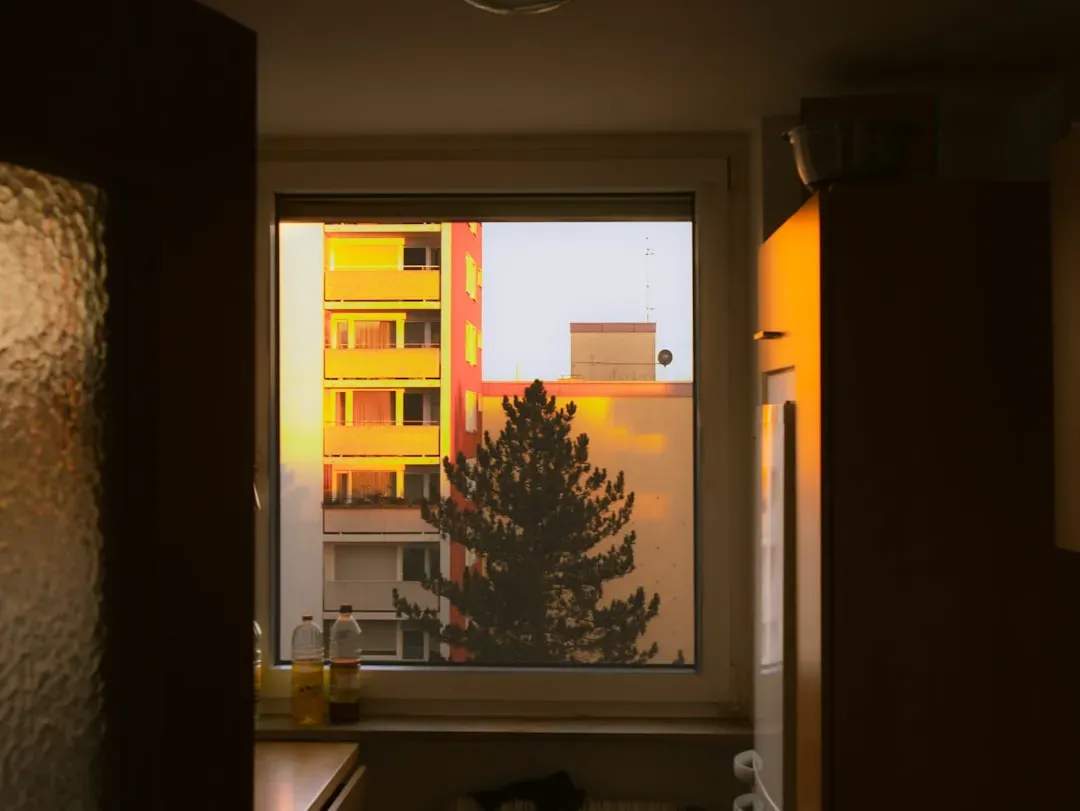
Moving fresh air through your rental dilutes indoor pollutants and costs nothing beyond the attention to open and close windows strategically. The key is creating intentional airflow paths rather than randomly opening windows and hoping for the best.
Air Purifier Selection Guide: CADR and Room Size Matching
| Room Type | Room Size (sq ft) | Minimum CADR Rating | Expected Monthly Energy Cost |
|---|---|---|---|
| Bedroom | 150 | 100+ | $3-5 |
| Living Room | 300 | 200+ | $5-8 |
| Studio/Small Apartment | 250-300 | 150-200 | $4-7 |
| Master Bedroom | 200-250 | 125-175 | $4-6 |
Smart Window and Door Positioning
Cross-ventilation works by opening windows on opposite sides of your space, letting air flow through rather than in and out of the same opening. Open a window in your bedroom and another in your living room, and air pressure differences create a gentle breeze that carries stale air out. If you only have windows on one side, crack your front door while opening windows to create the pressure differential.
Check outdoor air quality on AirNow.gov before opening windows. When the Air Quality Index (AQI) reads above 100, you're better off keeping windows closed and relying on your air purifier. On good air days (AQI below 50), open windows during early morning or evening when outdoor temperatures are comfortable and pollen counts are typically lower.
Use simple door stoppers to prop interior doors open and extend airflow throughout your rental. This small change prevents air from stagnating in closed bedrooms or bathrooms. For ground-floor renters, security considerations might limit window opening, in that case, open windows only when you're home and awake.
Maximizing Existing Exhaust Systems
Run your bathroom exhaust fan for 20 minutes after showering, not just during. Humidity lingers in the air long after you've toweled off, and extended fan runtime actually removes that moisture before it condenses on surfaces and encourages mold growth. The same applies to kitchen exhaust fans, run them for 15 minutes after cooking to clear lingering cooking fumes and particulates.
Clean the visible intake vents on exhaust fans with a damp cloth monthly. Dust buildup reduces airflow efficiency without you noticing until the fan becomes nearly useless. You're not modifying anything, just maintaining what's already there.
Position a portable box fan in a window (facing outward) to actively pull stale air out of your space when natural breezes aren't cooperating. This creates negative pressure that draws fresh air in through other openings.
Source Control: Eliminating Pollutants You Can Manage
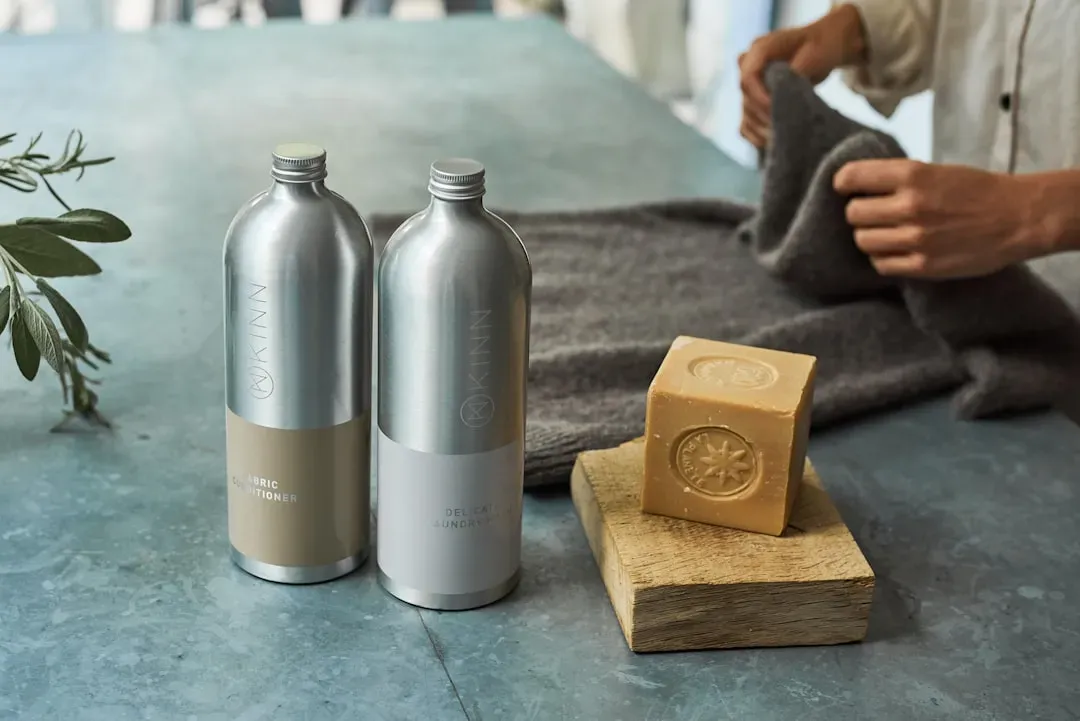
Reducing pollution sources beats filtering polluted air, and renters control more sources than they typically realize. Indoor air pollutants come from cleaning products, personal care items, air fresheners, and building materials (NIEHS), but you choose which products enter your space.
Switching to Low-VOC Products and Natural Alternatives
Volatile organic compounds (VOCs) are chemicals that evaporate into air at room temperature, and they're concentrated in conventional cleaning products, air fresheners, pesticides, and even some personal care items. Your rental might smell "clean" after using these products, but you're actually adding respiratory irritants to your air.
Look for products labeled "low-VOC" or "no-VOC" at regular grocery stores, you don't need specialty retailers. Unscented products reduce VOC exposure more than scented "natural" products, which often contain fragrance chemicals that irritate respiratory-sensitive individuals. For routine cleaning, white vinegar diluted 1:1 with water handles most kitchen and bathroom surfaces, and baking soda paste scrubs sinks and tubs without releasing fumes.
Eliminate plug-in air fresheners and aerosol sprays entirely. They don't remove odors, they just add fragrance chemicals that mask smells while contributing to your VOC load. If your rental has persistent odors, address the source (take out trash promptly, ventilate after cooking) rather than covering it with more chemicals.
Daily Habits That Reduce Indoor Pollutants
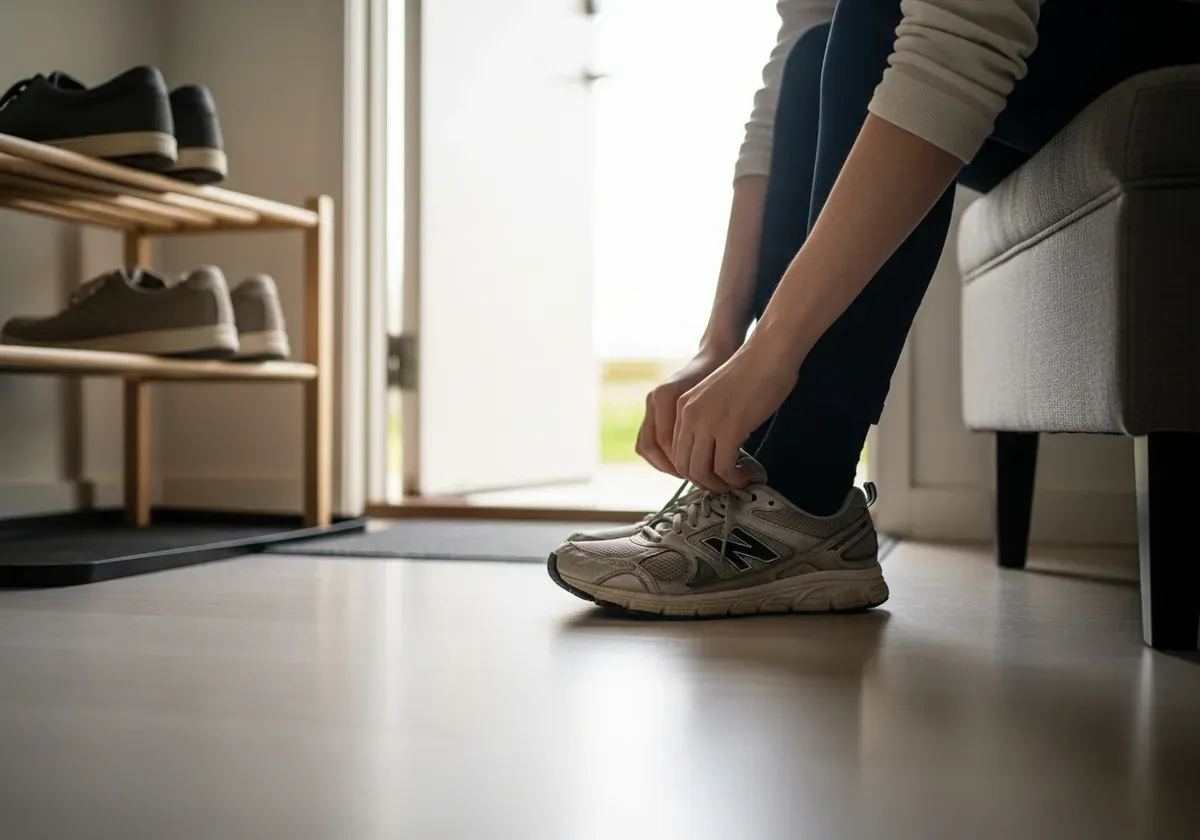
Remove shoes at your door and you'll immediately reduce the amount of outdoor pollutants, pesticides, and particulates tracked onto your floors and carpets. This single habit reduces indoor dust accumulation noticeably within weeks (NIEHS).
Cook with lids on pots and pans when possible, and always run your kitchen exhaust fan while cooking. Even simple tasks like toasting bread release particulates into your air. Take trash out daily rather than letting it sit in your kitchen, especially food waste that releases odors and attracts pests.
Dust with damp microfiber cloths rather than dry dusters that just redistribute particles into the air. The moisture captures dust instead of launching it into your breathing zone. If your rental feels humid (above 60% relative humidity), use a small dehumidifier or moisture absorber products in closets and bathrooms to prevent mold growth. Never smoke or vape indoors, these activities release thousands of chemicals that linger in air and settle on surfaces for months.
Monitoring and Long-Term Maintenance You Control

Measuring your indoor air quality transforms this from guesswork into a managed process where you can see whether your no-permission solutions are actually working.
Simple Air Quality Monitoring Tools
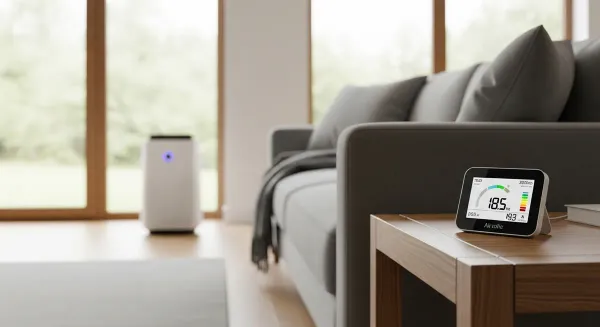
Affordable air quality monitors ($50-150) track PM2.5, humidity levels, and sometimes VOCs with displays simple enough to read across the room. You don't need laboratory-grade precision, just reliable trending data that shows whether your air is improving.
Establish a baseline by monitoring for one week before implementing any solutions. Note your typical PM2.5 readings at different times of day, humidity levels, and any patterns (like spikes after cooking or when neighbors are home). After adding an air purifier or changing your ventilation routine, monitor for another week to see measurable improvement. Most homes maintain PM2.5 between 15-40 μg/m³, but you're aiming for consistent readings below 12 μg/m³.
Creating a Sustainable Maintenance Schedule
Monthly tasks include checking air purifier filters visually, wiping down exhaust fan vents, and reviewing your air quality monitor's trends. Quarterly tasks mean replacing air purifier filters (or as recommended by manufacturer), deep-cleaning areas where dust accumulates, and reassessing which solutions are working best for your specific rental challenges.
Adjust seasonally: open windows more during spring and fall when outdoor air quality is typically good and temperatures are moderate, rely more heavily on air purifiers during summer wildfire season or winter when outdoor air quality drops. Track your local AQI patterns so you can anticipate when outdoor ventilation becomes counterproductive.
Know when to escalate to your landlord despite preferring no-permission solutions. If you're seeing persistent mold growth, detecting sewage or gas odors, or noticing your air quality worsening despite all your efforts, these signal building-level problems that require professional intervention. Document your concerns with photos and air quality monitor readings before making the request.
I learned this lesson the hard way during my second winter in a drafty Boston apartment—I'd been running my air purifier on high constantly, burning through filters every six weeks instead of the promised six months. Once I started checking the outdoor AQI each morning and actually opening windows on those crisp 40-degree days when the reading dropped below 50, my filter life doubled and that stuffy indoor feeling disappeared. Now I keep a simple calendar note that says 'check AQI, crack window if green' and it's become as automatic as making coffee.
Your rental air quality improves through consistent small actions rather than one-time fixes. Start with a portable HEPA air purifier for your bedroom, switch your cleaning products to low-VOC alternatives, and establish a window-opening routine based on outdoor air quality. These three changes typically reduce indoor PM2.5 by 40-60% within two weeks, giving you cleaner air without asking anyone's permission.
Related Articles
- 9 Science-Backed Air Purifier Benefits for Your Health & Home
- Where to Place Your Air Purifier: Room-by-Room Placement Guide
- Best Air Purifiers for Home: 2024 Expert Reviews & Buyer's Guide
- How to Test Air Quality in Your Home: DIY & Professional Methods
- Best Air Purifiers for Bedroom: Quiet & Effective 2024 Picks
- Best Indoor Air Quality Monitors: 2024 Buyer's Guide & Reviews
Frequently Asked Questions
How much does a HEPA air purifier cost and is it worth the investment?
HEPA air purifiers typically range from $100-400 depending on room size and features. They're worth the investment because they're portable (moving with you to your next home), require no landlord permission, and can reduce harmful PM2.5 particles to levels where people with respiratory sensitivity notice immediate improvement.
Can I open windows to improve air quality, or will that make things worse?
Yes, but strategically. Open windows when outdoor air quality is good (check local air quality reports) to bring in fresh air and dilute indoor pollutants. Avoid opening windows during peak pollution hours or when outdoor air quality is poor, as this can worsen indoor air rather than improve it.
What are low-VOC cleaning products and where can I find them?
Low-VOC (volatile organic compound) products release fewer harmful chemical fumes than traditional cleaners. Look for products labeled 'low-VOC' or 'zero-VOC' at most grocery stores and online retailers, or use natural alternatives like vinegar and baking soda. They cost $20-50 for a basic set and immediately reduce indoor air pollutants.
How do I know if my rental's air quality is actually poor?
Watch for signs like persistent musty smells, dust settling quickly after cleaning, cooking odors lingering for hours, or health symptoms like morning congestion and headaches. You can also use an air quality monitor ($30-150) to measure PM2.5 and other pollutants objectively.
Will removing shoes at the door really make a difference in air quality?
Yes. Shoes track in outdoor pollutants, dust, and particles that become airborne indoors. This is a zero-cost habit that reduces indoor pollutants and works immediately, making it one of the easiest no-permission solutions to implement.
Can I use the building's exhaust systems to improve ventilation without modifications?
Yes. Make sure bathroom and kitchen exhaust fans are running during and after use, and keep vents clear of blockages. This maximizes your existing ventilation system without requiring any landlord permission or permanent changes.
Should I be more concerned about air quality if I'm over 55 or have respiratory issues?
Yes. Adults over 55 and those with cardiovascular or respiratory disease experience more severe health effects from poor indoor air quality, including worsening symptoms and increased congestion. These groups should prioritize air quality improvements immediately rather than waiting for landlord-initiated changes.
Can I take my air purifier with me when I move to a new rental?
Absolutely. Portable HEPA air purifiers are fully reversible and move with you to your next home, making them a smart long-term investment. Unlike permanent modifications, you're not leaving anything behind or losing your investment when you relocate.