9 Science-Backed Air Purifier Benefits for Your Health & Home
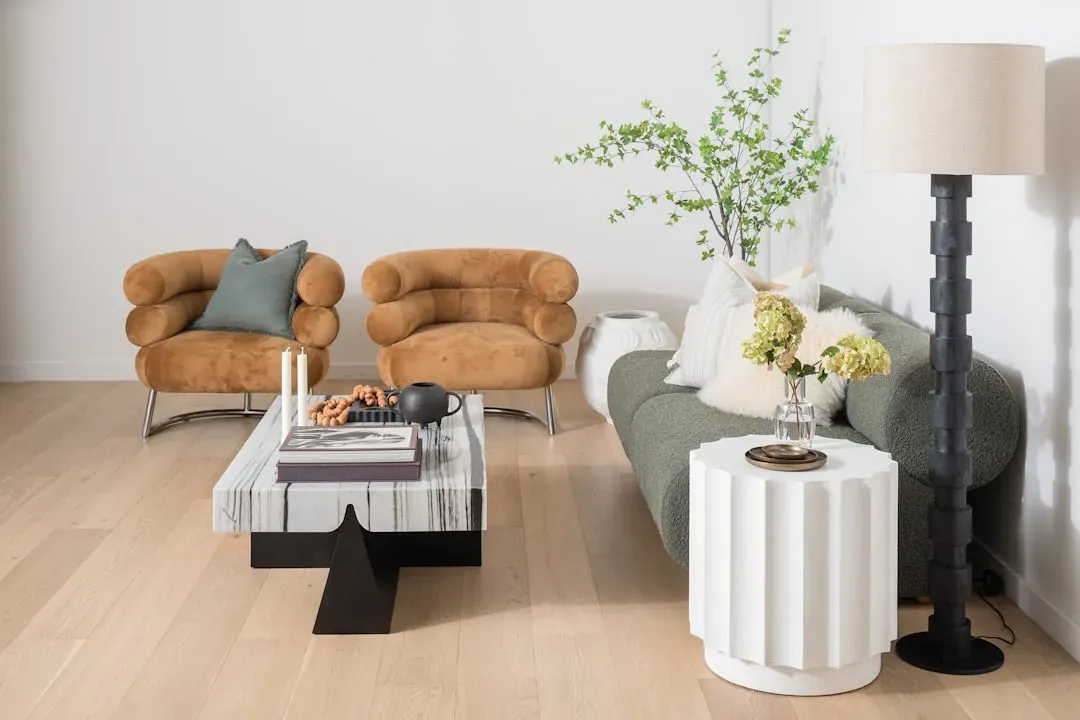
Air purifiers remove particles, allergens, and pollutants from your indoor air through filters, typically HEPA filters that trap 99.97% of particles as small as 0.3 microns, plus activated carbon layers that absorb odors and chemicals. The health benefits range from fewer allergy symptoms and better sleep to reduced cardiovascular stress, but effectiveness depends entirely on choosing the right unit size for your space and running it consistently. This matters because indoor air can contain 2 to 5 times more pollutants than outdoor air (according to EPA studies), and Americans spend roughly 90% of their time indoors, a percentage that climbs even higher for older adults.
Table of Contents
- How Air Purifiers Protect Respiratory Health as You Age
- Reducing Airborne Allergens That Trigger Breathing Problems
- Supporting COPD and Chronic Respiratory Condition Management
- Accelerating Recovery from Respiratory Infections
- Sleep Quality, Cognitive Function, and Heart Health Improvements
- Better Sleep Through Cleaner, Quieter Air
- Protecting Brain Health and Memory Function
- Reducing Cardiovascular Stress from Air Pollution
- Home Safety Benefits: Odor Control, Mold Prevention, and Chemical Reduction
- Eliminating Harmful VOCs and Household Chemicals
- Preventing Mold and Mildew Growth
- Managing Pet Dander Without Giving Up Companionship
- Choosing the Right Air Purifier: What Actually Matters for Your Health
- Understanding CADR Ratings and Room Size Requirements
- Essential Features vs. Marketing Gimmicks
- Getting Maximum Benefit: Placement, Settings, and Realistic Expectations
How Air Purifiers Protect Respiratory Health as You Age
Your lungs lose capacity naturally as you age, declining about 1-2% per year after age 35. This makes your respiratory system more vulnerable to airborne irritants that younger lungs might handle without symptoms. Air purifiers address this vulnerability by reducing the particle load your airways must filter, which becomes especially important if you're managing chronic conditions or recovering from illness.

Reducing Airborne Allergens That Trigger Breathing Problems
HEPA filtration, the gold standard in air purification, captures 99.97% of particles at 0.3 microns, which includes pollen (typically 10-100 microns), pet dander (2.5-10 microns), and dust mite debris (5-20 microns). These allergens trigger inflammatory responses in your airways that cause wheezing, coughing, and shortness of breath. For older adults, this inflammation compounds age-related airway narrowing.
Research published in the American Thoracic Society journals found that long-term air pollution exposure accelerates lung function decline at rates comparable to secondhand smoke exposure. While that study focused on outdoor pollution, the principle applies indoors, reducing particulate exposure protects remaining lung capacity. Studies using portable HEPA air cleaners showed reduced indoor PM2.5 concentrations, which correlates with fewer respiratory symptoms in people with existing conditions (according to a systematic review in the NIH database).
The practical impact shows up in daily breathing comfort. You might notice less morning congestion, reduced nighttime coughing, or the ability to do light housework without becoming winded.
Supporting COPD and Chronic Respiratory Condition Management
Over 15.7 million Americans have diagnosed COPD, with prevalence increasing sharply after age 55 (according to CDC data). Air purifiers don't replace inhalers or oxygen therapy, but they complement medical treatment by reducing exacerbation triggers. An exacerbation, a sudden worsening of symptoms, often sends people to emergency rooms and accelerates disease progression.
The key metric here is CADR, or Clean Air Delivery Rate, the volume of clean air a purifier produces per minute, measured separately for smoke, dust, and pollen. For meaningful COPD support, you need a CADR rating that provides at least 4-5 air changes per hour in your room. A 250-square-foot bedroom requires roughly 200 CADR minimum. Undersized units run constantly without achieving clean air.
Look, the research shows modest but real benefits. Studies with properly sized HEPA units relative to room volume showed more consistent improvements in respiratory markers than studies using inadequate units. This isn't a cure, but it's a tool that reduces the particle burden your compromised lungs must handle daily.
Accelerating Recovery from Respiratory Infections
Post-pneumonia, bronchitis, or COVID-19 recovery involves damaged airways that need time to heal. During this period, your lungs are hypersensitive to irritants. Even normal household dust can trigger coughing fits that delay healing and increase discomfort.
Air purifiers support recovery by removing airborne pathogens and irritants while your immune system focuses on repair. The benefit isn't just pathogen removal, it's reducing the inflammatory load on healing tissue. Every particle your purifier captures is one less irritant triggering coughs that stress damaged airways. Some people notice they can reduce cough suppressant use or sleep through the night without waking to cough within days of starting a bedroom purifier.
Sleep Quality, Cognitive Function, and Heart Health Improvements
Air quality affects more than your lungs. Emerging research connects indoor air pollution to sleep disruption, cognitive decline, and cardiovascular stress, three concerns that often compound each other as you age.
Common Allergen Particle Sizes vs. HEPA Filter Capability
| Allergen Type | Typical Particle Size (microns) | HEPA Filter Capture Rate |
|---|---|---|
| Pollen | 10-100 microns | 99.97% at 0.3 microns and larger |
| Pet Dander | 2.5-10 microns | 99.97% at 0.3 microns and larger |
| Dust Mite Debris | 5-20 microns | 99.97% at 0.3 microns and larger |
| PM2.5 (Fine Particulate Matter) | 2.5 microns | 99.97% at 0.3 microns and larger |
Better Sleep Through Cleaner, Quieter Air
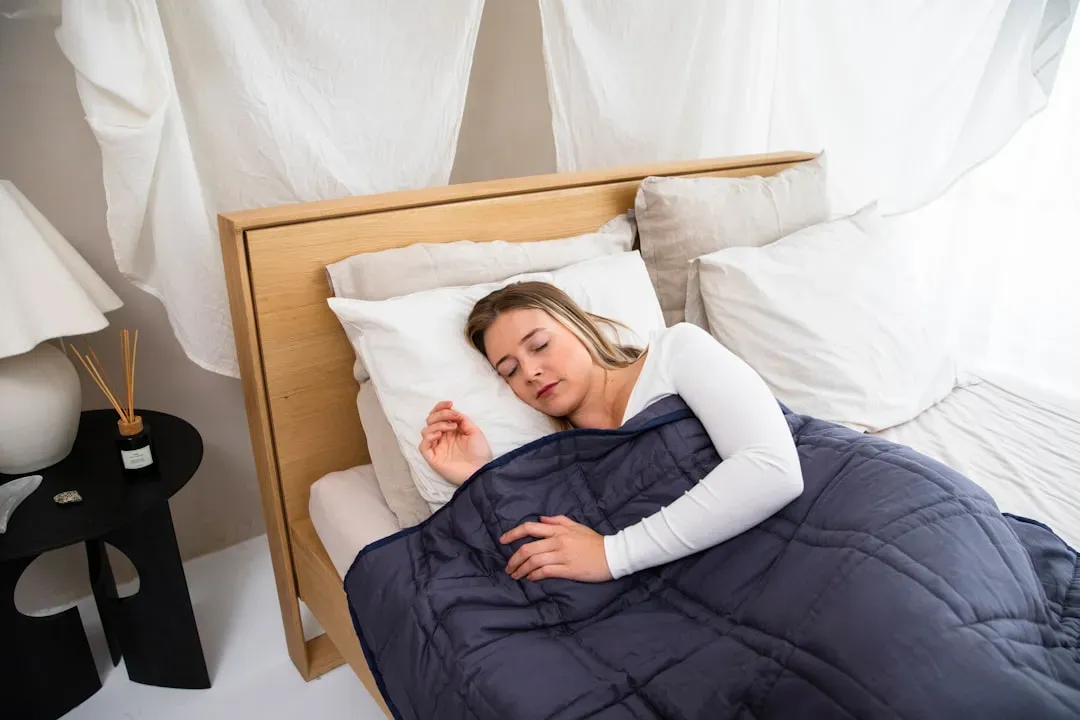
Poor indoor air quality contributes to sleep disturbances through multiple pathways: nasal congestion that causes mouth breathing, airway irritation that triggers coughing, and inflammatory responses that fragment sleep cycles. A systematic review in the NIH database found associations between indoor air pollutants and reduced sleep quality, particularly in older adults.
Air purifiers address these issues by removing irritants before they reach your airways. Many users report falling asleep faster and waking less frequently. The white noise some units produce can actually aid sleep for some people, though light sleepers may prefer newer models with sleep modes that reduce fan speed and dim displays.
For bedroom use, place the purifier 6-10 feet from your bed with unobstructed airflow. Run it on a higher setting for an hour before bed to clean the air, then switch to low or sleep mode overnight.
Protecting Brain Health and Memory Function
Research increasingly links air pollution exposure to cognitive decline and dementia risk. Studies show that PM2.5 and ultrafine particles can reach the brain through the bloodstream and olfactory nerve, potentially contributing to neuroinflammation. While most research examines outdoor pollution, indoor exposure matters because of the time you spend at home.
A large-scale study found that reducing PM2.5 exposure may slow cognitive decline in older adults, though researchers emphasize this is emerging science requiring more study. The mechanism appears related to reducing systemic inflammation that affects brain health over time.
Honestly, we can't promise air purifiers prevent dementia, the research isn't there yet. But reducing indoor PM2.5 below 12 μg/m³ (the level where respiratory effects become minimal) may offer brain health benefits alongside respiratory improvements. It's a reasonable precaution given what we're learning about air pollution's systemic effects.
Reducing Cardiovascular Stress from Air Pollution
Short-term and long-term PM2.5 exposure increases cardiovascular events, particularly in older adults with existing heart conditions (according to research published in Environmental Research). The particles trigger inflammatory responses that affect blood pressure, heart rhythm, and blood vessel function.
Air purifiers reduce this stress by lowering indoor PM2.5 concentrations. Some studies report improvements in blood pressure and inflammatory markers within weeks of using HEPA purifiers, though results vary based on baseline air quality and individual health status.
This benefit matters especially if you have hypertension, previous heart attacks, or arrhythmias. Your cardiologist manages these conditions with medication, but reducing environmental stressors like air pollution supports that medical treatment.
Home Safety Benefits: Odor Control, Mold Prevention, and Chemical Reduction
Eliminating Harmful VOCs and Household Chemicals
VOCs (volatile organic compounds) are chemicals that evaporate into your air from cleaning products, furniture, paint, air fresheners, and even new carpeting. Common VOCs include formaldehyde, benzene, and toluene. You can't see them, but you often smell them as that "new" scent or chemical odor after cleaning.
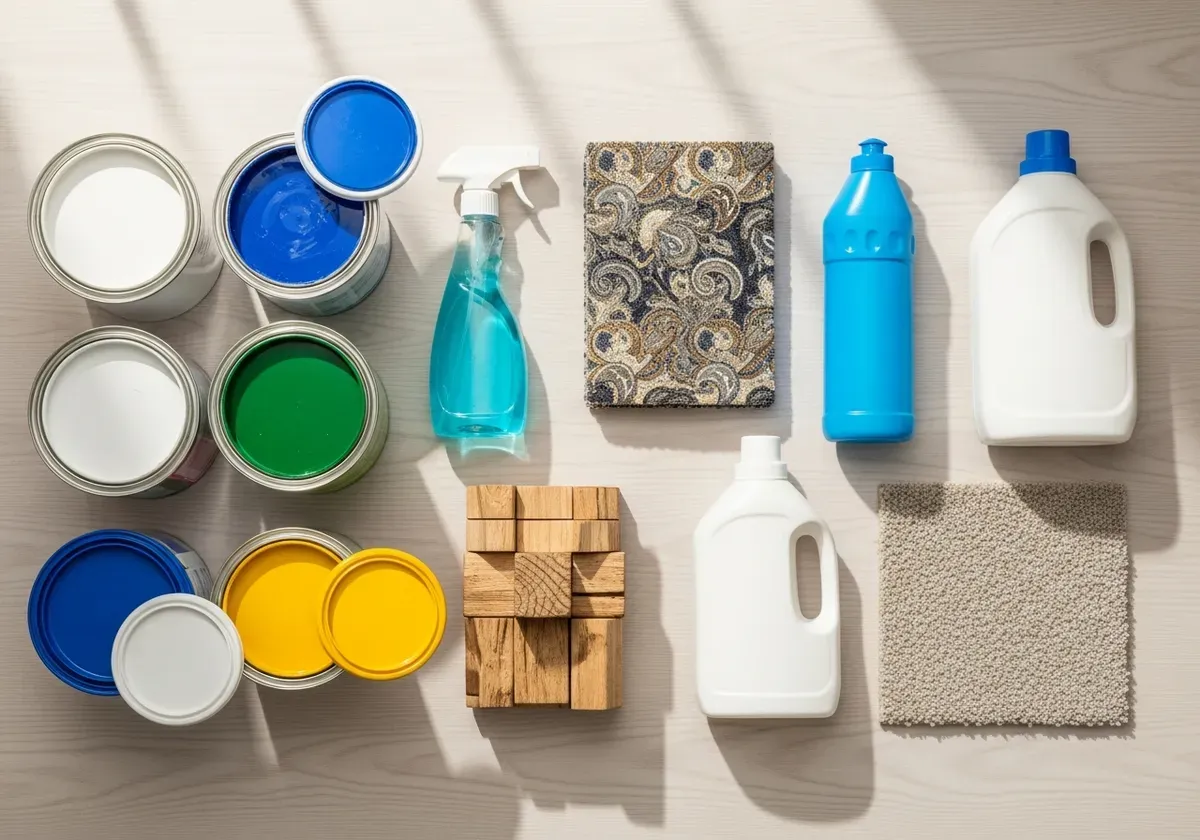
Older adults may experience increased sensitivity to VOCs due to age-related changes in liver and kidney function that affect how your body processes chemicals. Some medications also interact with environmental chemical exposures, amplifying effects.
Activated carbon filters absorb VOCs through a process called adsorption, the chemicals stick to the carbon's porous surface. Look for filters with at least 2-3 pounds of activated carbon for meaningful VOC removal. Thin carbon pre-filters in some purifiers mostly address odors rather than chemical reduction.
Preventing Mold and Mildew Growth
Air purifiers capture airborne mold spores before they land on surfaces and colonize into visible mold growth. This matters particularly in humid climates, older homes with ventilation issues, or if you're immune-compromised from medications or health conditions.
Here's the thing, purifiers complement humidity control but don't replace it. Mold needs moisture to grow, so you still need to maintain indoor humidity below 50% using dehumidifiers or air conditioning. The purifier's role is capturing spores floating in your air, reducing the "seed bank" available to colonize damp areas.
Managing Pet Dander Without Giving Up Companionship
Pets provide documented mental health and companionship benefits for older adults, but pet dander causes allergic reactions in many people. Dander, microscopic skin flakes, becomes airborne easily and settles on every surface in your home.
HEPA purifiers remove airborne dander effectively, reducing overall allergen load even if they can't capture particles already settled on furniture and bedding. The key is strategic placement near where your pet spends time. If your dog has a favorite sleeping spot or your cat perches on certain furniture, position a purifier nearby to capture dander as it becomes airborne.
Run the purifier continuously rather than intermittently. Dander accumulates quickly, and intermittent operation allows levels to spike between running cycles.
Choosing the Right Air Purifier: What Actually Matters for Your Health
Marketing claims create confusion about what actually matters in an air purifier. The effectiveness gap between a $50 unit and a $500 unit often comes down to three factors: proper HEPA certification, adequate CADR for your room size, and sufficient activated carbon for chemical removal.
Understanding CADR Ratings and Room Size Requirements
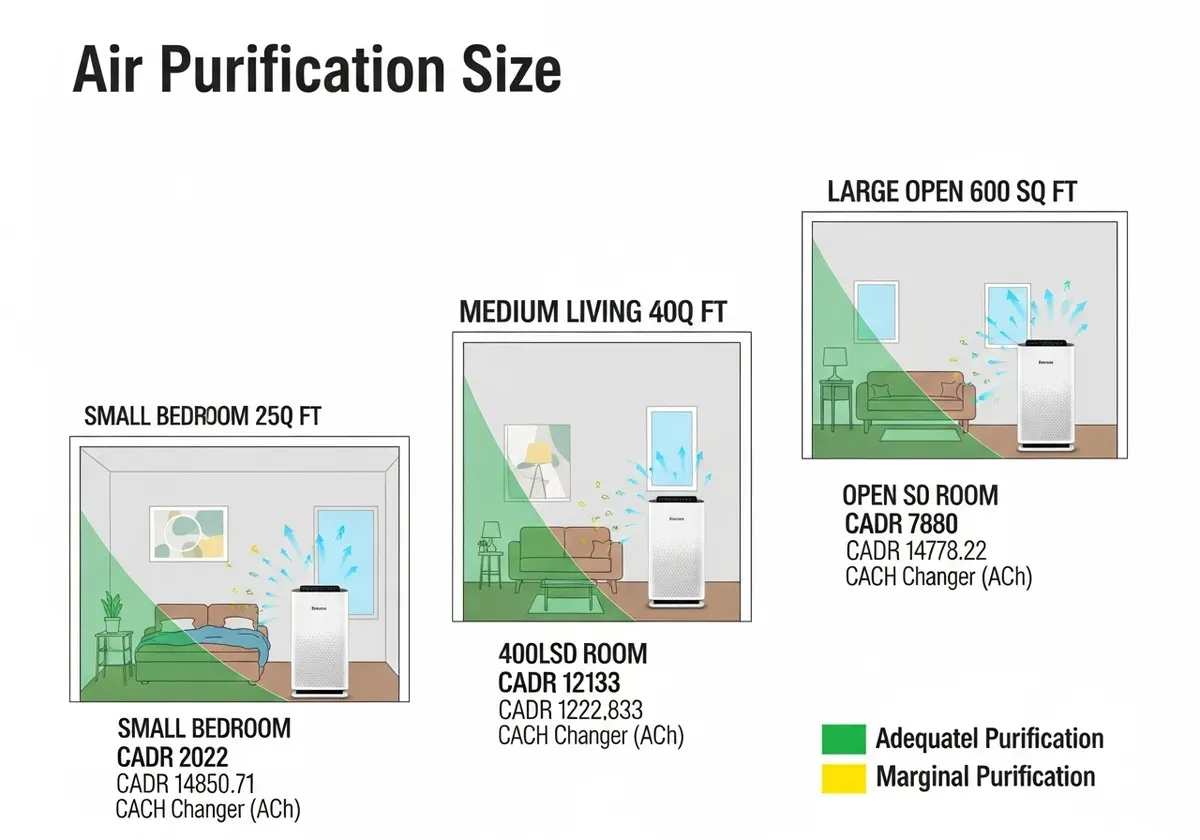
CADR (Clean Air Delivery Rate) measures how many cubic feet of clean air a purifier produces per minute. It's tested separately for three particle types: smoke (smallest), dust (medium), and pollen (largest). Higher numbers mean faster air cleaning.
To calculate your needs, multiply your room's square footage by ceiling height to get cubic feet, then divide by 7.5. This gives you the minimum CADR needed for roughly 4 air changes per hour, the rate most health benefits appear in research. For a 200-square-foot bedroom with 8-foot ceilings: 200 × 8 = 1,600 cubic feet ÷ 7.5 = 213 CADR minimum.
Well, that's the formula, but here's practical guidance: for bedrooms up to 150 square feet, look for CADR around 150-200. For living rooms of 300-400 square feet, you need CADR of 300-400 minimum. Manufacturers often list "room size" ratings, but these assume minimal air quality problems, if you have pets, allergies, or live near traffic, size up one category.
Essential Features vs. Marketing Gimmicks
True HEPA certification matters, this means the filter meets the 99.97% efficiency standard at 0.3 microns. "HEPA-type" or "HEPA-like" filters don't meet this standard and perform significantly worse. Check for certification from AHAM (Association of Home Appliance Manufacturers) or similar testing organizations.
For activated carbon, weight indicates capacity. Filters with 2+ pounds of carbon provide meaningful VOC removal. If chemical sensitivity concerns you, ask manufacturers for carbon weight specifications, if they won't disclose it, assume it's minimal.
Avoid ionizers and ozone generators. These technologies produce ozone as a byproduct, which irritates airways and can worsen respiratory conditions. The EPA explicitly warns against ozone-producing air purifiers. Some units include ionizer functions you can disable, fine, just keep them off.
Filter replacement costs matter more than purchase price over the unit's lifetime. A $200 purifier with $80 annual filter costs exceeds a $400 unit with $40 annual filters after three years. Check replacement filter prices before buying, and verify they're readily available, some brands discontinue filter production, leaving you with an unusable purifier.
Getting Maximum Benefit: Placement, Settings, and Realistic Expectations
Buying the right purifier is half the equation. Placement, operation settings, and maintenance determine whether you actually achieve the air quality improvements research demonstrates.
CADR Rating Requirements by Room Size
| Room Size (sq ft) | Minimum CADR Rating | Recommended Air Changes Per Hour | Example Use Case |
|---|---|---|---|
| 250 | 200 | 4-5 | Bedroom with COPD management |
| 400 | 320 | 4-5 | Living room or master bedroom |
| 600 | 480 | 4-5 | Large living area or open concept |
| 1000 | 800 | 4-5 | Whole home or large spaces |
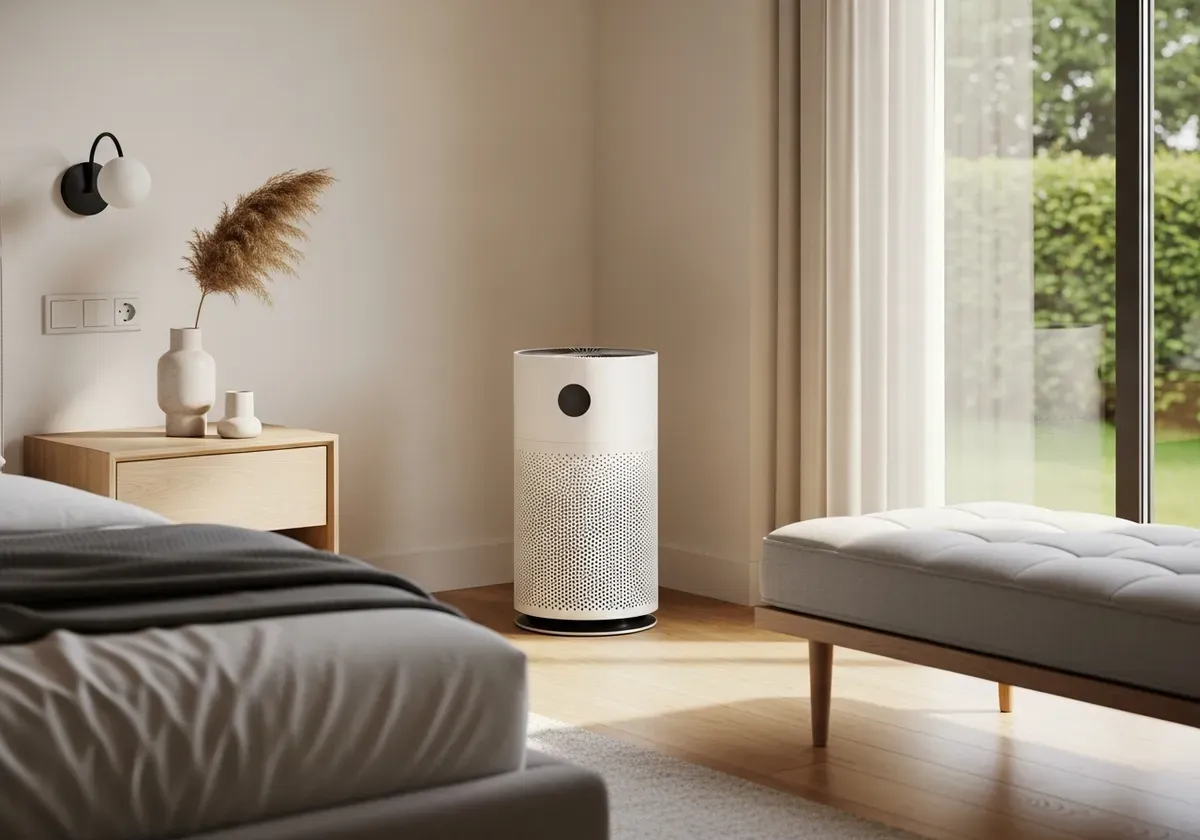
Place purifiers where you spend the most time, typically bedrooms first, then living areas. Position units at least 6 inches from walls with unobstructed airflow around all sides. Don't hide them behind furniture or in corners where air circulation is poor.
Run purifiers continuously rather than intermittently. Air quality degrades quickly when units turn off, and you lose the cumulative cleaning effect. Most health benefits in research studies came from continuous operation, not occasional use. If noise concerns you, use lower settings during the day and sleep mode at night rather than turning the unit off completely.
Replace filters on schedule, not when they "look dirty." HEPA filters may appear clean while fully saturated with microscopic particles. Most units need filter replacement every 6-12 months depending on air quality and usage.
Set realistic expectations. Air purifiers reduce particle concentrations significantly, but they don't create sterile environments. You'll still experience some allergy symptoms, occasional odors, and normal dust accumulation. The goal is reducing exposure enough to improve symptoms and support health, not eliminating every particle.
Monitor your response over 2-4 weeks. Most people notice improvements in sleep quality or reduced congestion within days, but respiratory benefits accumulate gradually. If you notice no change after a month, verify your unit is properly sized for your space and running continuously, undersized units or intermittent operation explains most "air purifiers don't work" experiences.
Consider starting with one unit in your bedroom, where you spend 6-8 hours nightly in one space. This concentrates your investment where you'll receive maximum exposure to clean air.
Related Articles
- Where to Place Your Air Purifier: Room-by-Room Placement Guide
- Best Air Purifiers for Home: 2024 Expert Reviews & Buyer's Guide
- Indoor Air Quality Testing: Complete Guide to Testing Your Home
- Home Air Quality Monitoring System: Complete Setup Guide
- Best Air Purifiers for Bedroom: Quiet & Effective 2024 Picks
- Best Air Purifiers for Wildfire Smoke: Protection & Reviews
Frequently Asked Questions
How do I know what size air purifier I need for my room?
Match your purifier's CADR (Clean Air Delivery Rate) to your room size—aim for at least 4-5 air changes per hour. For example, a 250-square-foot bedroom needs a minimum CADR of 200. Check the purifier's specifications and multiply your room's square footage by the air changes needed, then divide by 60 to get the required CADR.
Can an air purifier replace my asthma inhaler or other respiratory medications?
No, air purifiers complement medical treatment but do not replace inhalers, oxygen therapy, or prescribed medications. They work by reducing airborne triggers and particle load, not by treating the underlying respiratory condition itself.
What's the difference between HEPA filters and activated carbon filters?
HEPA filters trap 99.97% of particles as small as 0.3 microns (including pollen, dust mites, and pet dander), while activated carbon layers absorb odors and harmful chemicals like VOCs. Most effective purifiers use both types together for comprehensive air cleaning.
How often should I run my air purifier to see health benefits?
Air purifiers must run consistently to be effective—running it sporadically won't provide meaningful health improvements. For best results, run it continuously, especially during sleep hours and times when you're most exposed to indoor pollutants.
Can air purifiers help prevent mold and mildew in my home?
Yes, air purifiers reduce mold spores in the air, helping prevent mold and mildew growth. However, they work best as part of a broader strategy that includes controlling humidity levels and ensuring proper ventilation in moisture-prone areas.
Why is indoor air quality important if I spend most of my time outside?
Americans spend roughly 90% of their time indoors (even higher for older adults), and indoor air can contain 2-5 times more pollutants than outdoor air according to EPA studies. This prolonged exposure makes indoor air quality critical for long-term health.
Will an air purifier help me sleep better?
Yes, cleaner air can improve sleep quality by reducing nighttime coughing, morning congestion, and airway irritation. Additionally, modern air purifiers with quiet operation help eliminate disruptive odors and allergens that interfere with restful sleep.
Do air purifiers really reduce cardiovascular stress from air pollution?
Research indicates that reducing particulate matter exposure (PM2.5) can lower cardiovascular stress, as air pollution contributes to heart strain. Air purifiers help by removing fine particles from your breathing environment, though they work best as part of overall health management.